



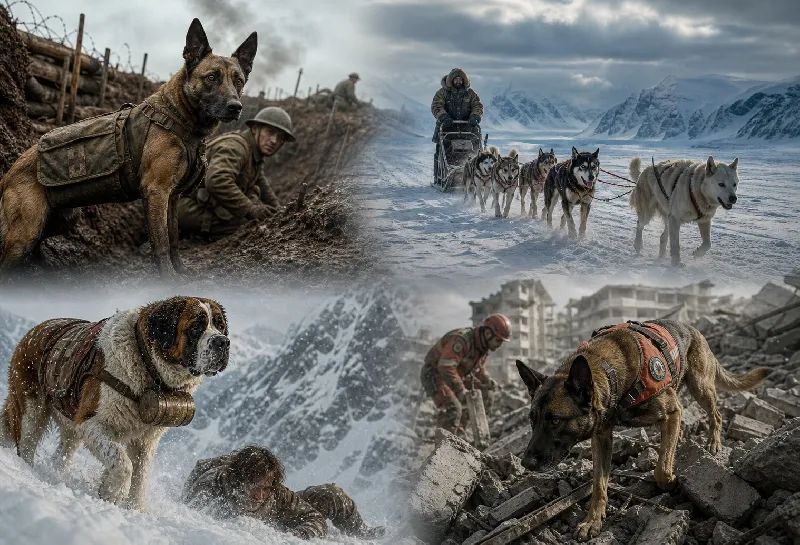
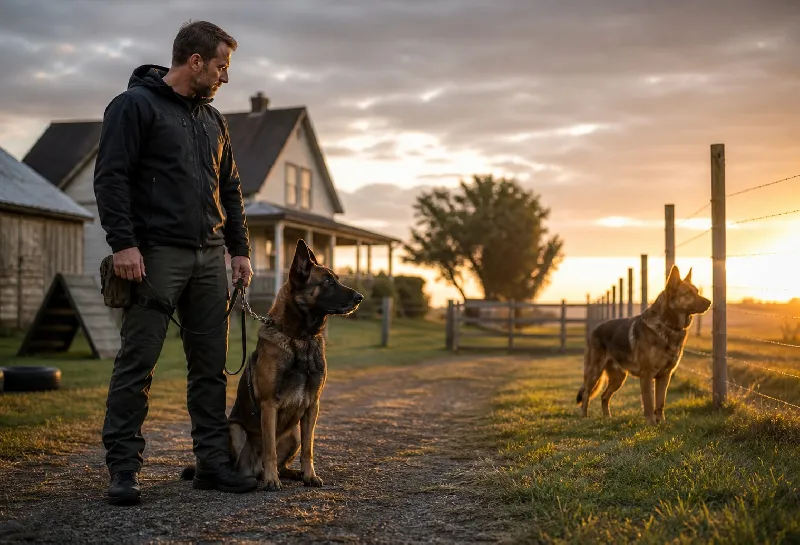
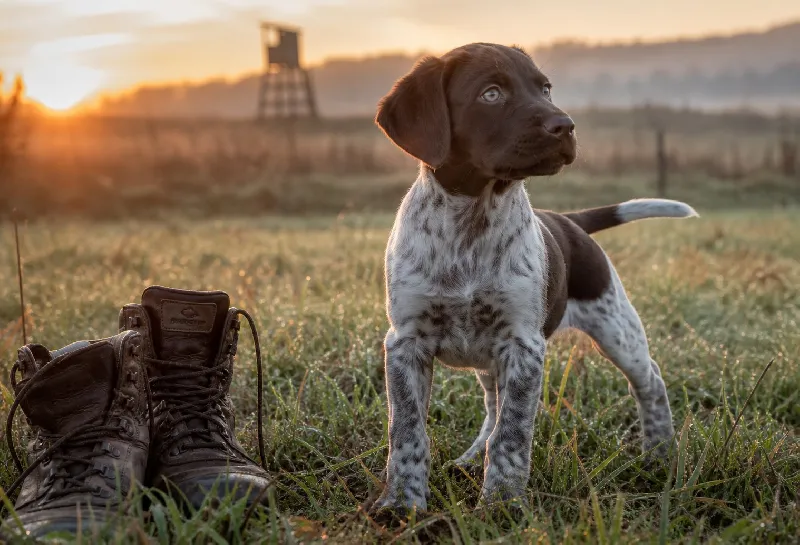
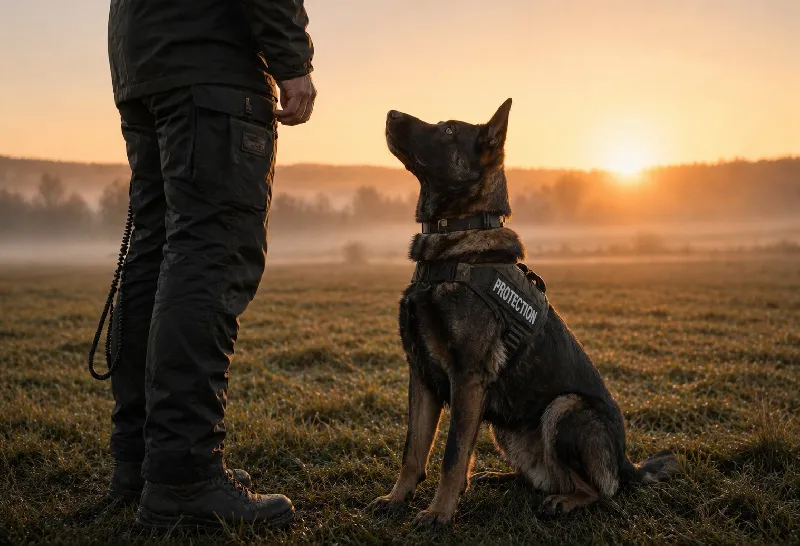




Working dogs are not relics of the past. They are adapting to a changing world, taking on new roles while holding fast to the instincts and grit that made them valuable in the first place. From the field and farm to hospitals, schools, and emergency response teams, the future of working dogs in society looks both practical and deeply human.

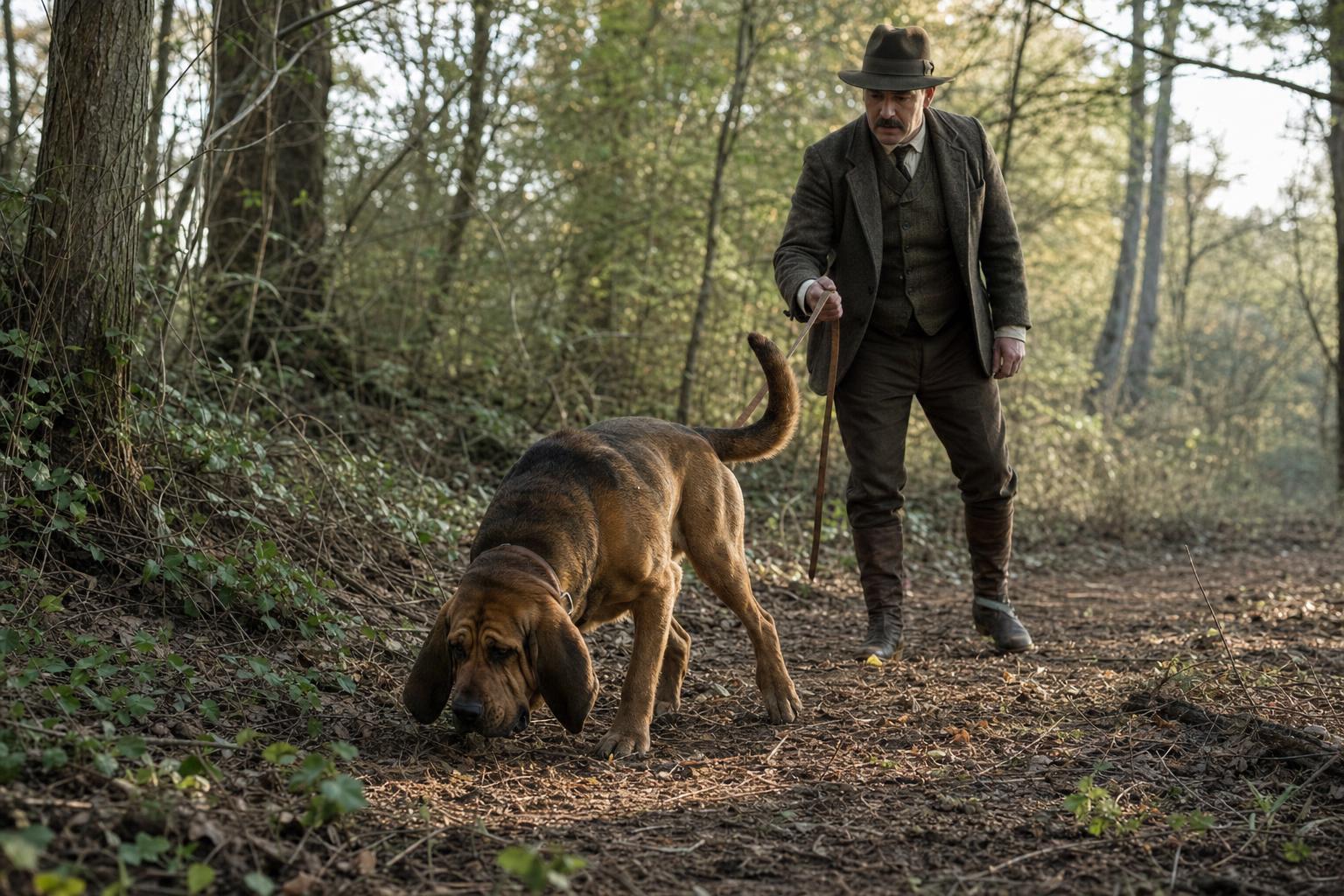
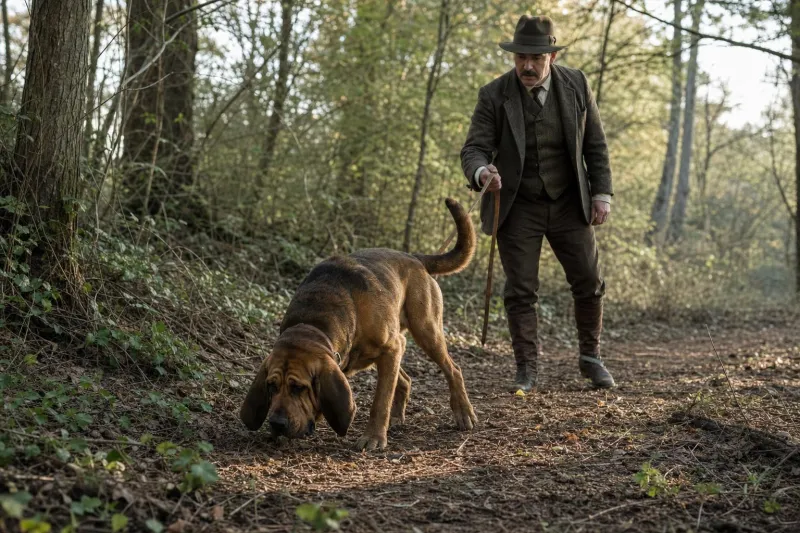
Long before modern K9 units became standard, law enforcement relied on the unmatched nose, grit, and steadiness of early tracking dogs to follow fugitives across fields, roads, and timber. This article looks at the breeds, methods, and real-world conditions that helped shape the first police tracking work.
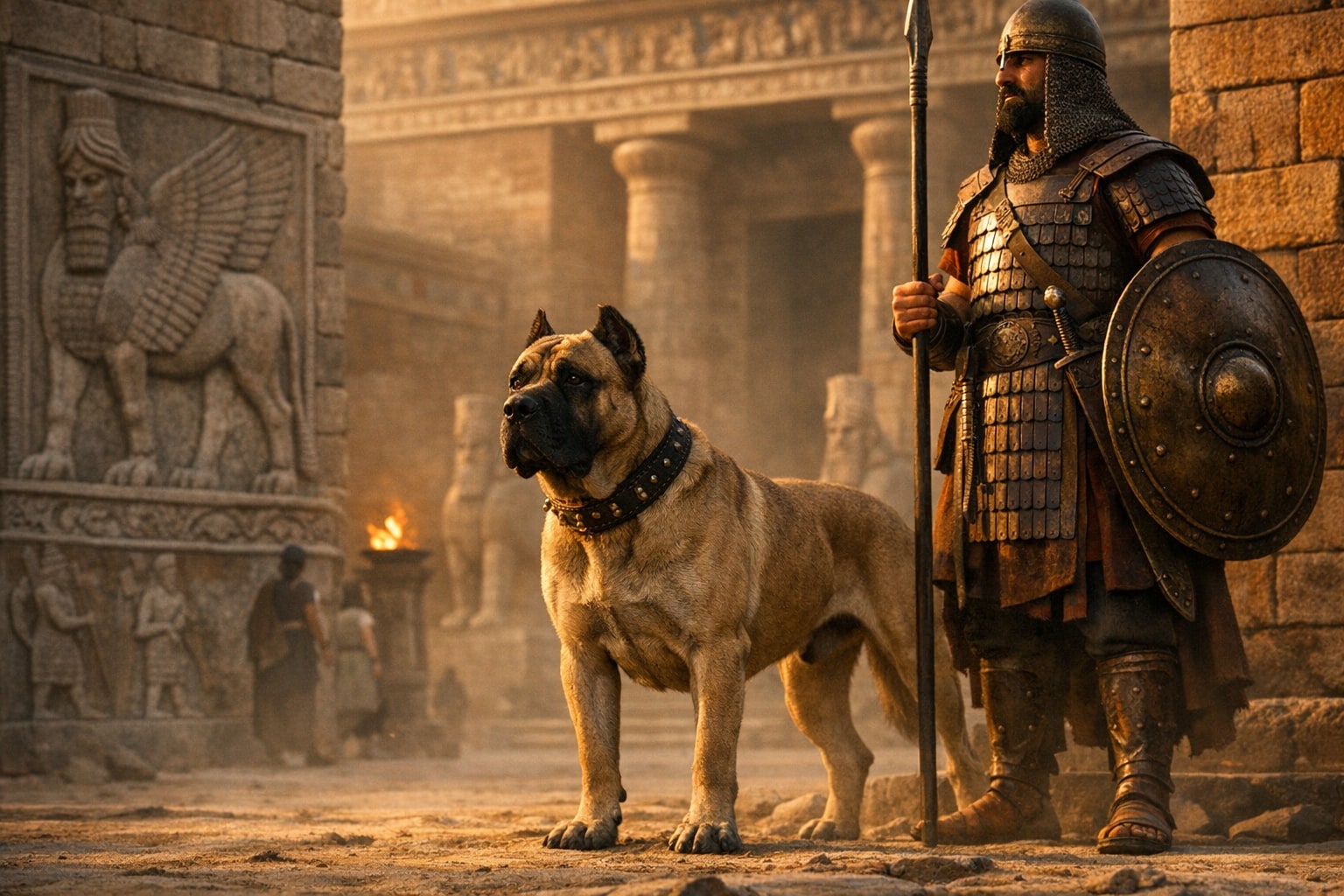
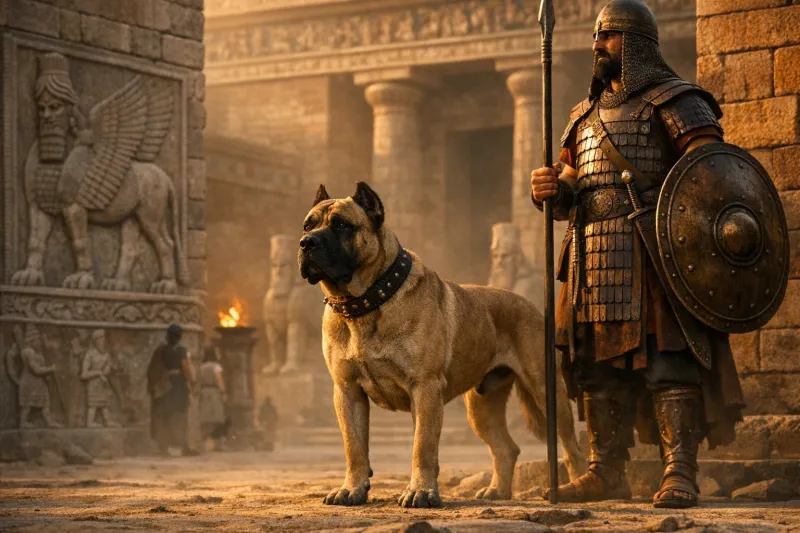
Long before modern kennels, bite sleeves, and formal protection training, guard dogs stood watch over camps, granaries, temples, and flocks. In ancient civilizations, these dogs were valued as protectors, status symbols, and trusted partners in harsh country. Their legacy still lives on in today's working dogs.
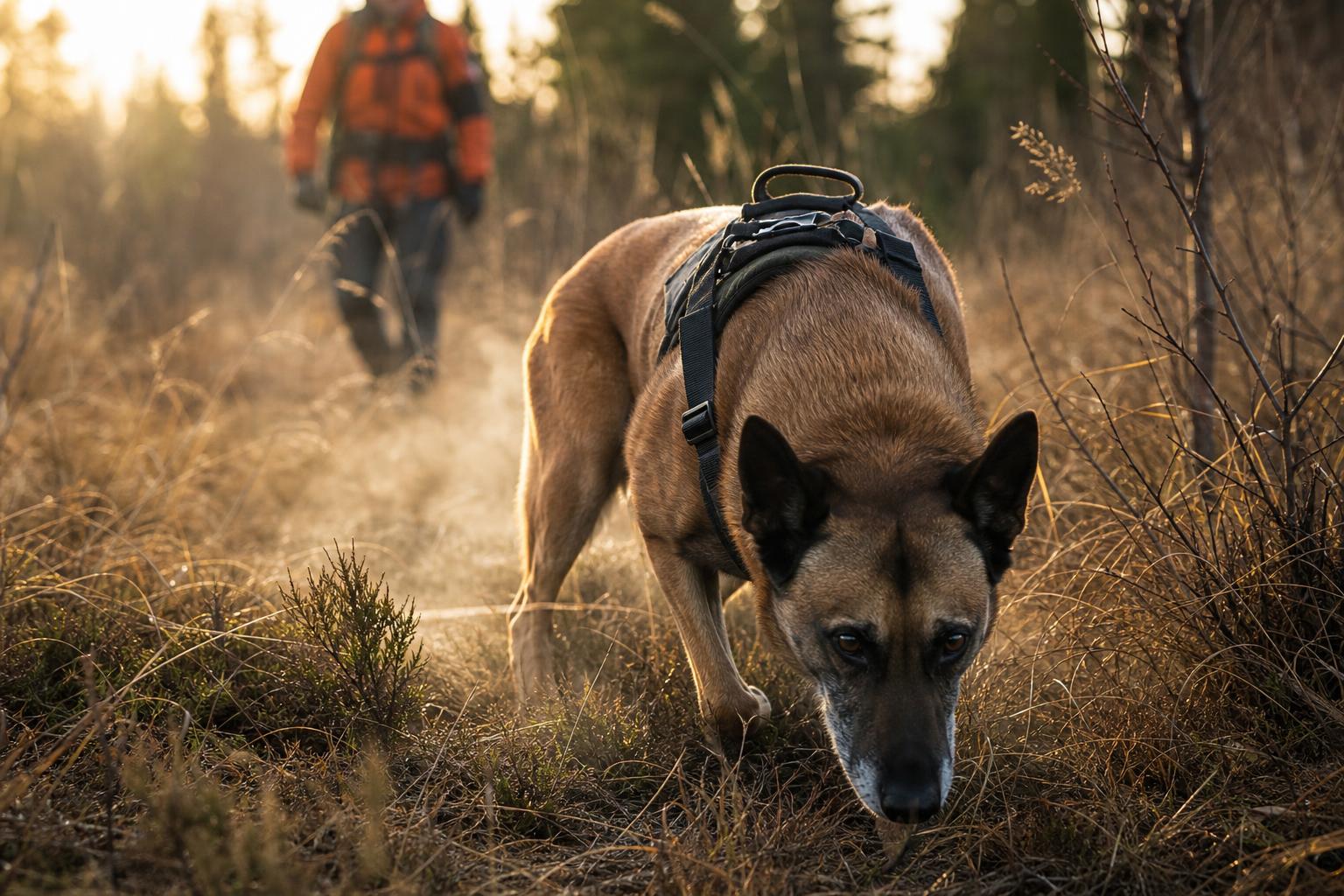
Scent theory in search dogs is more than a training phrase. It is the practical understanding of how odor moves, settles, lifts, and changes across ground, cover, weather, and time. For dog owners interested in working dogs, this article explains how search dogs use their nose in the field and why handlers who understand scent make better decisions.
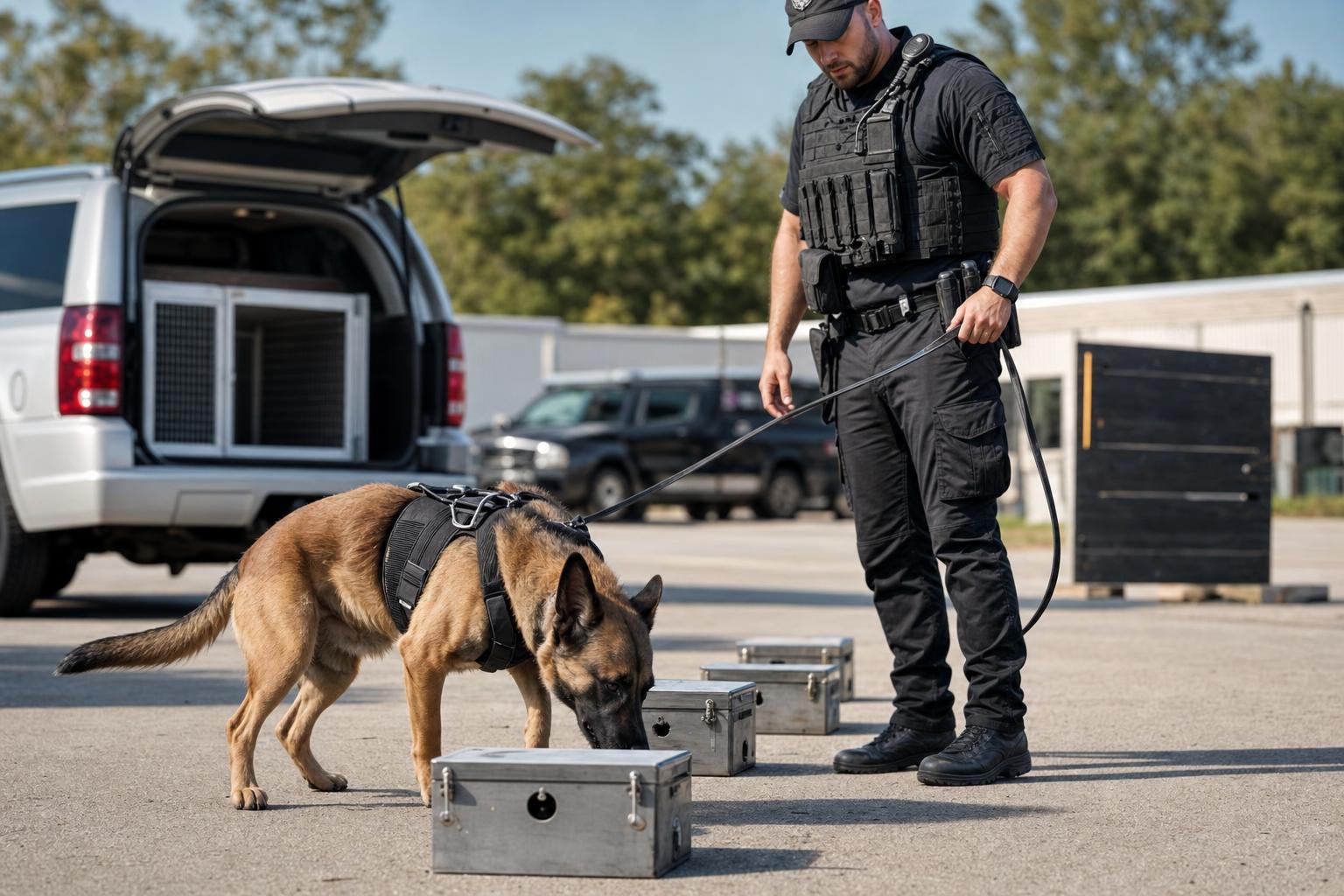
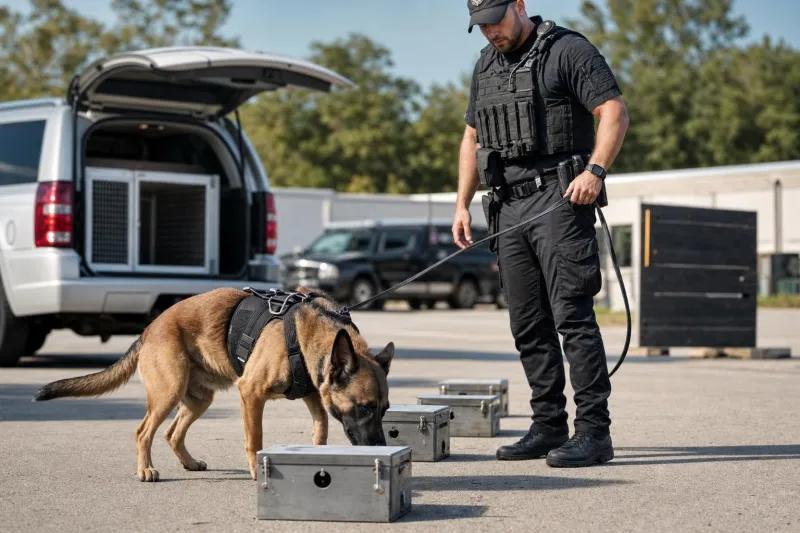
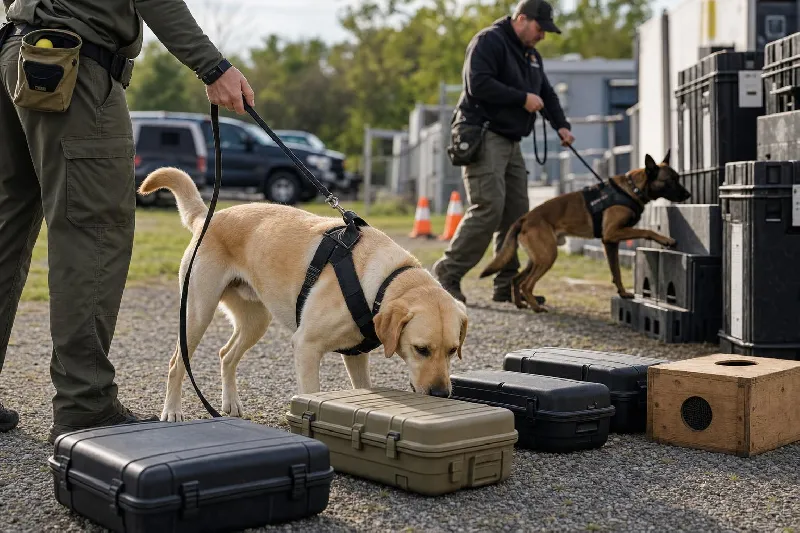
Police detection dogs are built through careful training, steady handling, and a strong bond with the handler. This article explains the methods used to create reliable detection dogs, including drive development, odor imprinting, indication training, search patterns, proofing, and maintenance work.
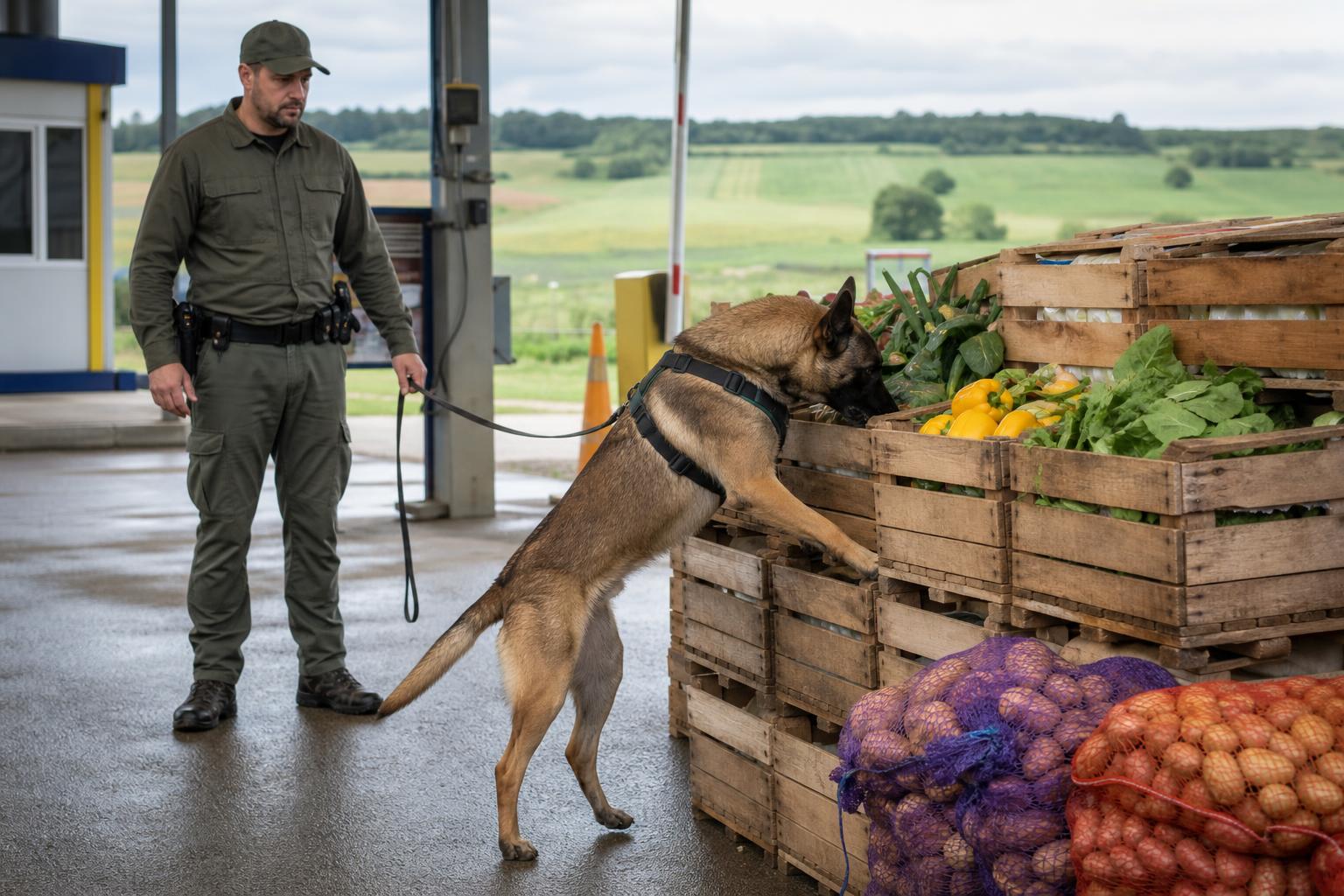
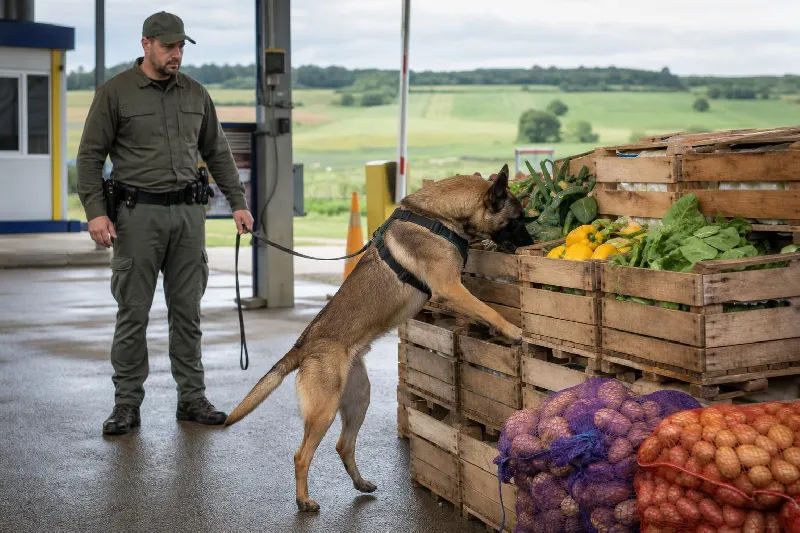
Agricultural detection dogs play a quiet but vital role at borders, airports, and ports of entry. With the right nose and disciplined training, these working dogs help stop invasive pests, contaminated food, and prohibited plant material before it can damage farms, wildlife, and local economies.
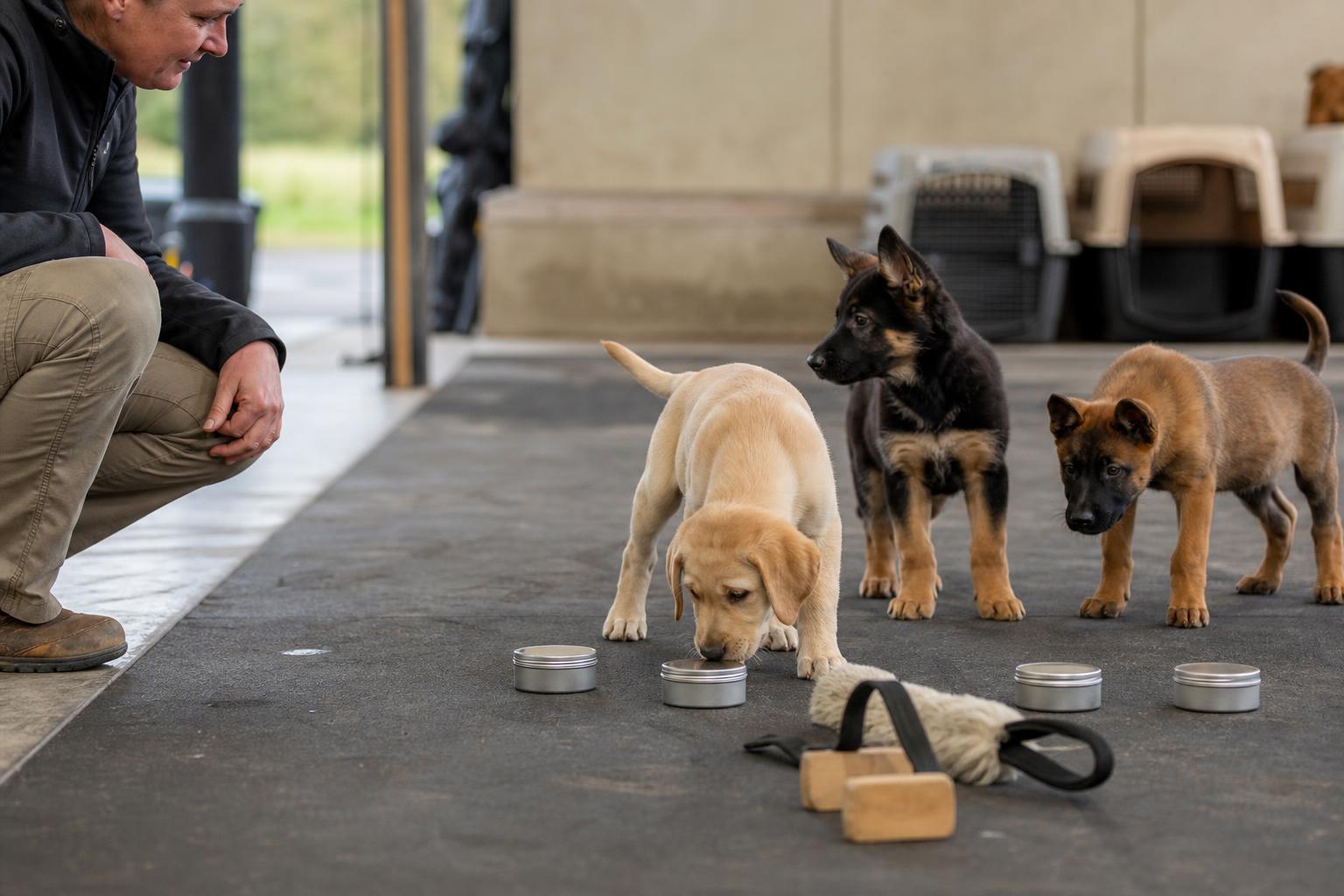
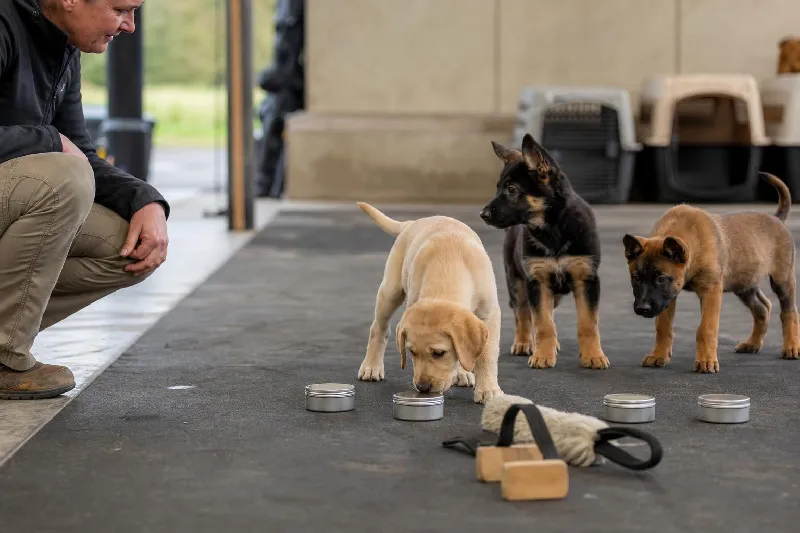
Choosing puppies for detection work is part science, part seasoned dog sense. This article explains how trainers and program directors evaluate genetics, health, nerve, drive, recovery, and environmental confidence to find young dogs with the best chance of succeeding in detection roles.
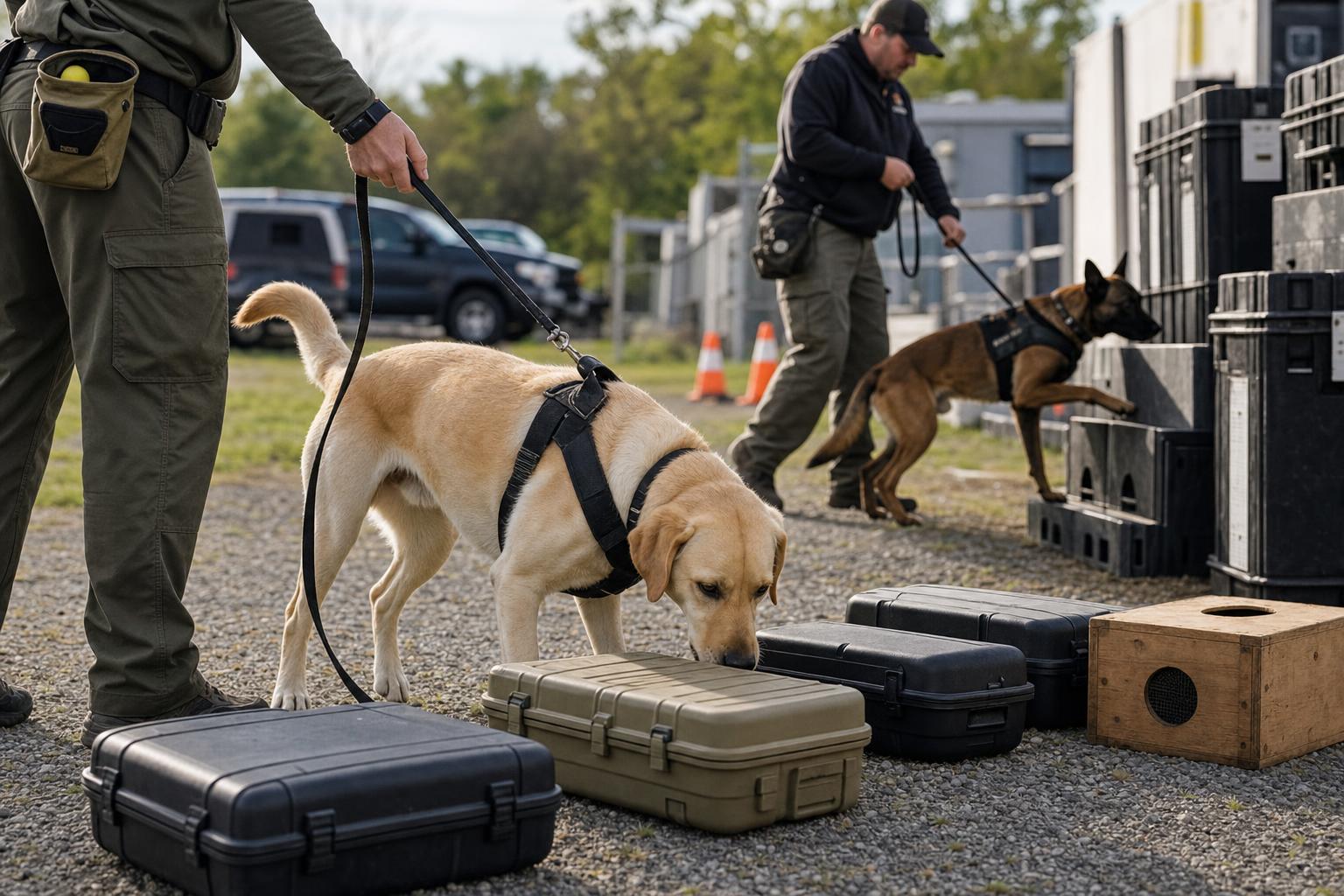
Detection dogs are built on more than a good nose. The best breeds bring hunt drive, focus, nerve, stamina, and a willingness to work with a handler through long days and difficult environments. Here is a field-tested look at the dog breeds that consistently stand out in detection work and why they earn their place.

Electronic storage detection dogs have become one of the most specialized assets in modern law enforcement. Trained to locate hidden digital devices by scent, these dogs help investigators recover phones, USB drives, hard drives, and memory cards that human eyes often miss.

Working as a detection dog trainer is part dog work, part people work, and all about consistency. This article explores the realities of the job, the dogs that thrive in it, the training process, and the skills needed to build dependable detection teams.

Protection dog certifications and titles can tell you a great deal about a dog’s training, temperament, and working ability, but only if you know how to read them. This guide explains the most common protection dog titles, what they test, and how owners can separate genuine working credentials from marketing talk.

Finding the right protection dog trainer is not about flashy demonstrations or big promises. It is about trust, clear methods, sound dogs, and a trainer who understands how to build control before power. Here is what experienced dog owners should look for before handing over the leash.

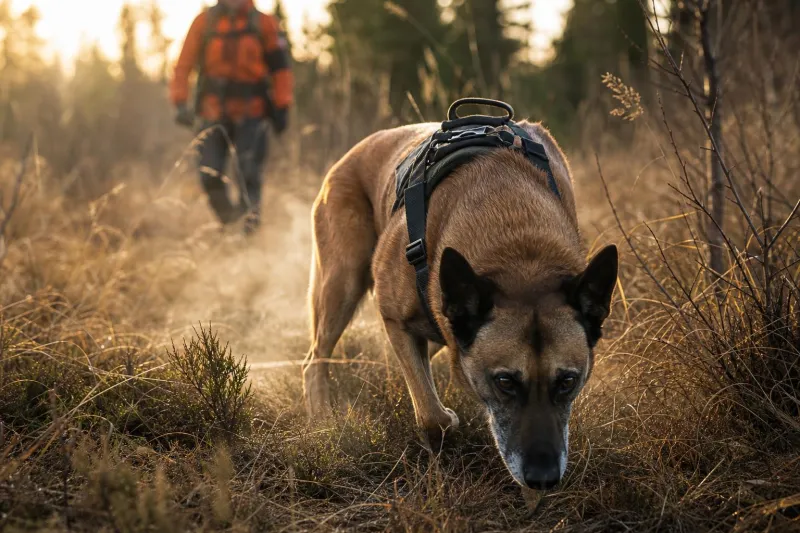
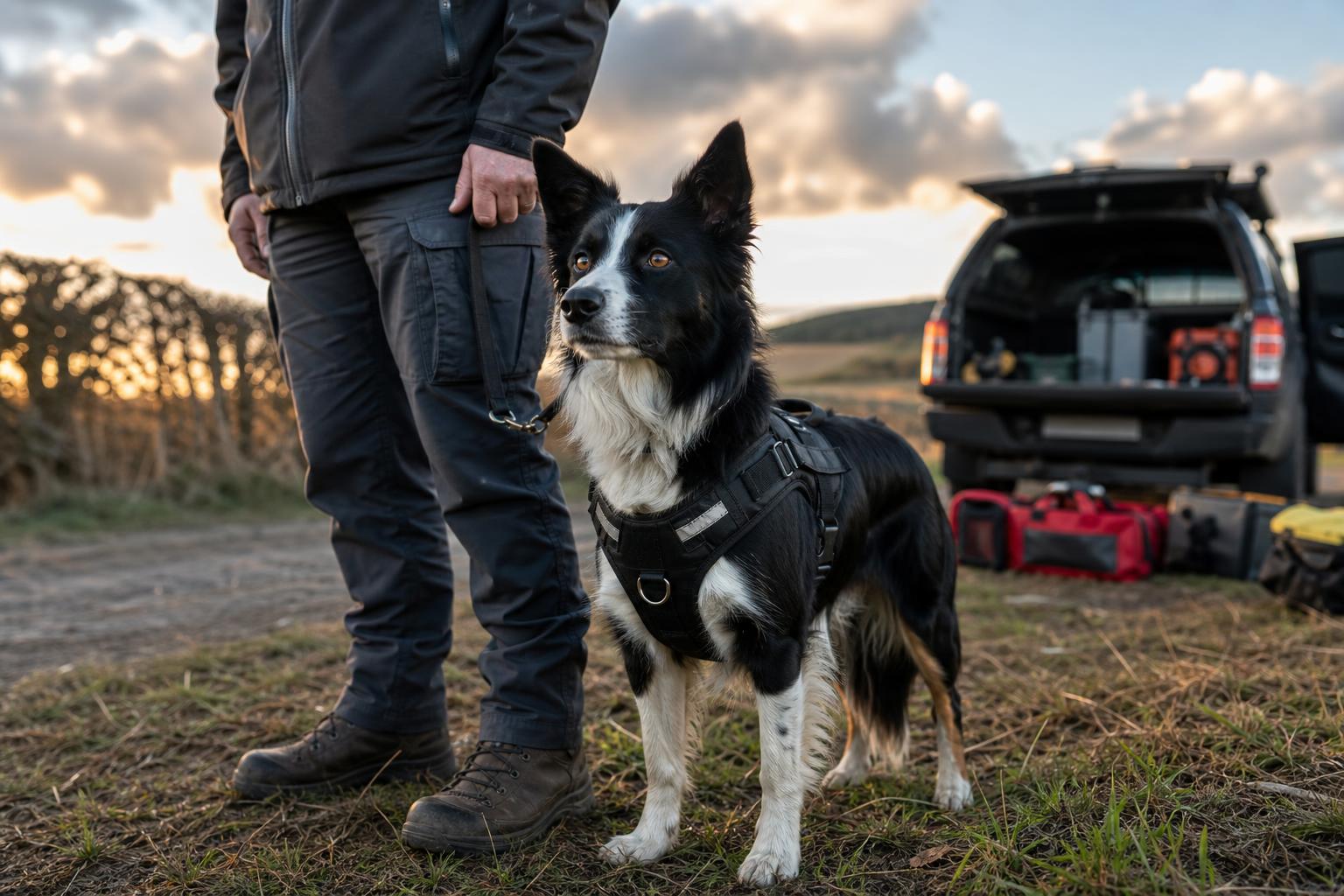
Search and rescue dogs are more than impressive working animals. They are disciplined, driven partners that help locate missing people in wilderness, disaster, and urban settings. Learn how these dogs work, what makes them effective, and why their bond with handlers is built on trust, training, and grit.

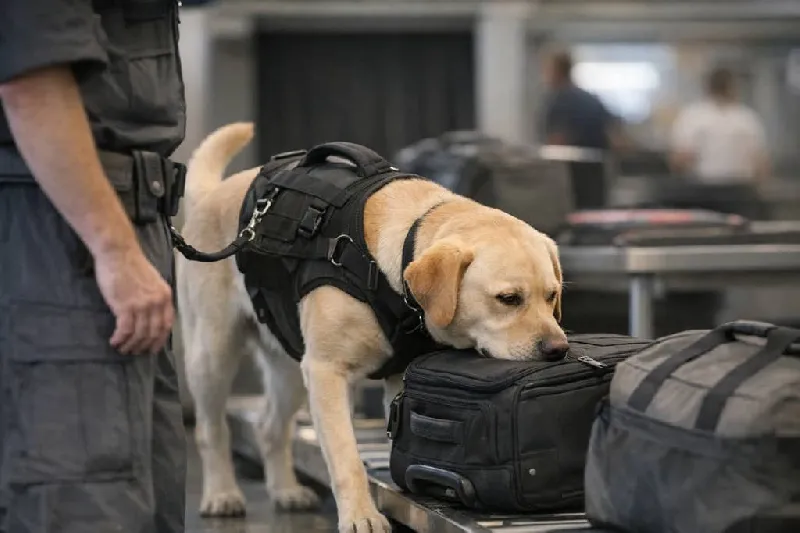
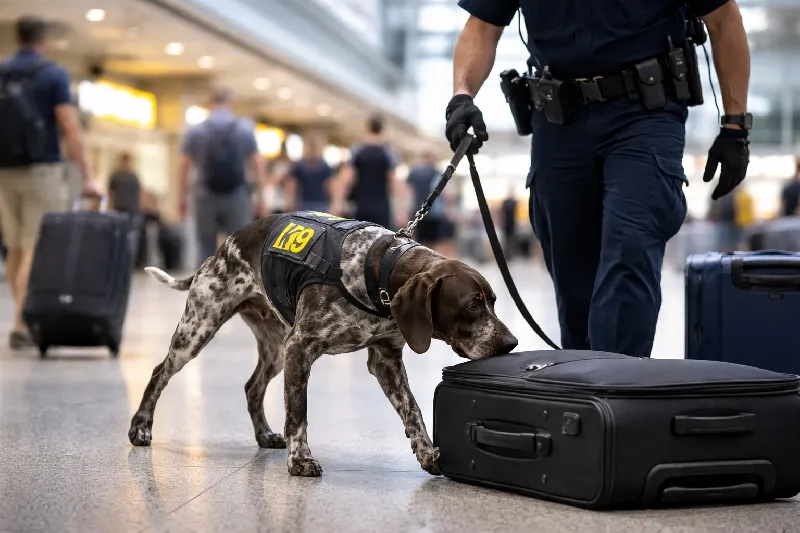
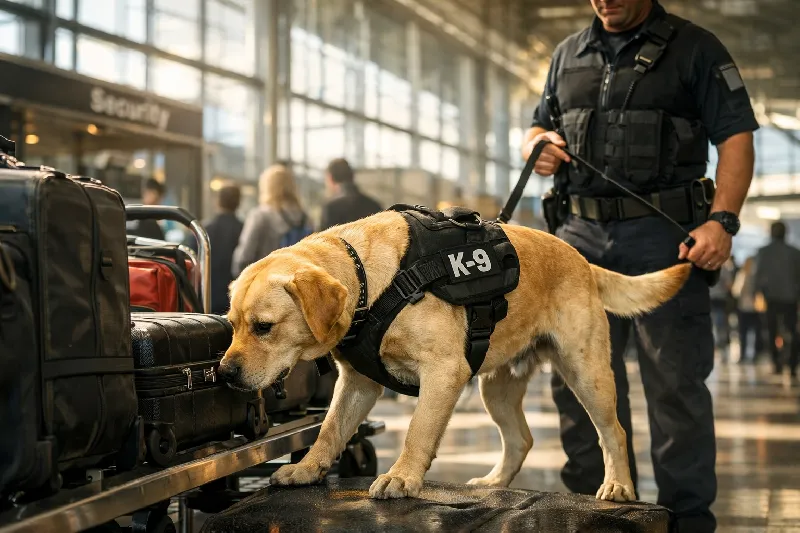
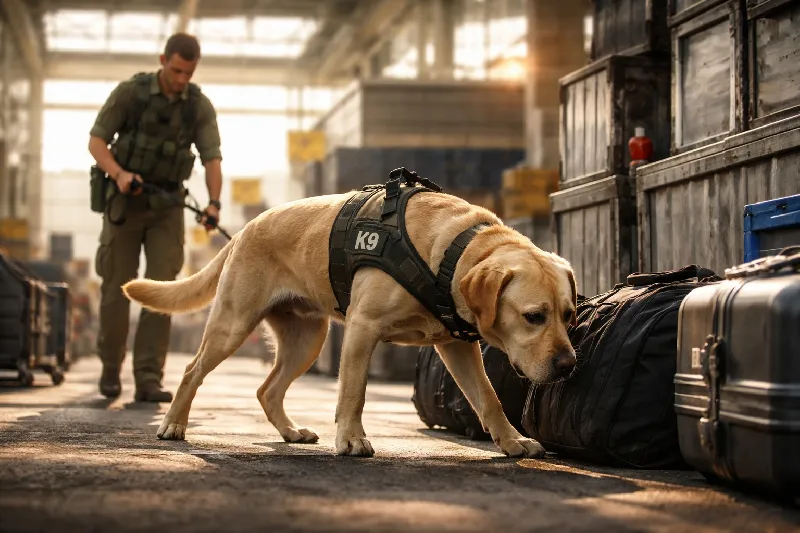
Explosive detection dogs play a critical role in airport security and military operations, using unmatched scenting ability, steady nerves, and close handler teamwork to find threats quickly and reliably.

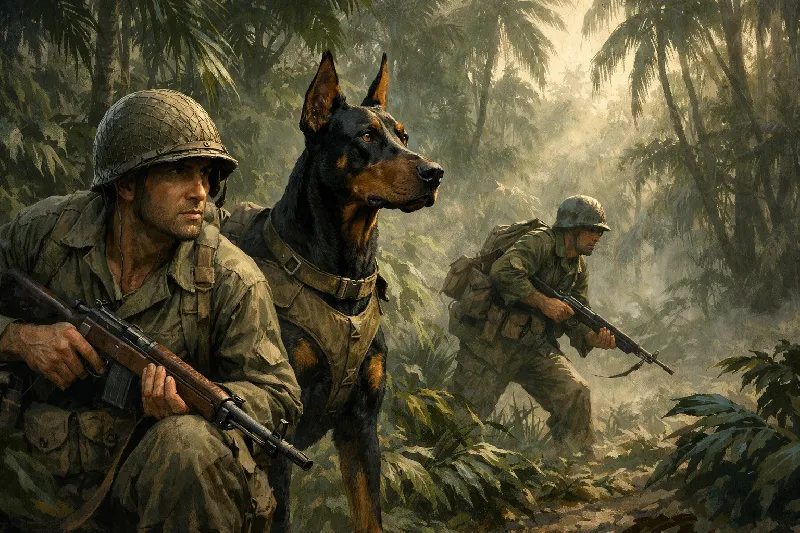
Military detection dogs do far more than most people realize. In combat zones, these dogs work ahead of troops, search for explosives, track threats, and rely on deep trust with their handlers to survive the hardest conditions on earth.

A strong reward system is the backbone of detection dog training. This article explains how experienced handlers build motivation, sharpen indication, and create dependable search behavior through clear, well-timed rewards.

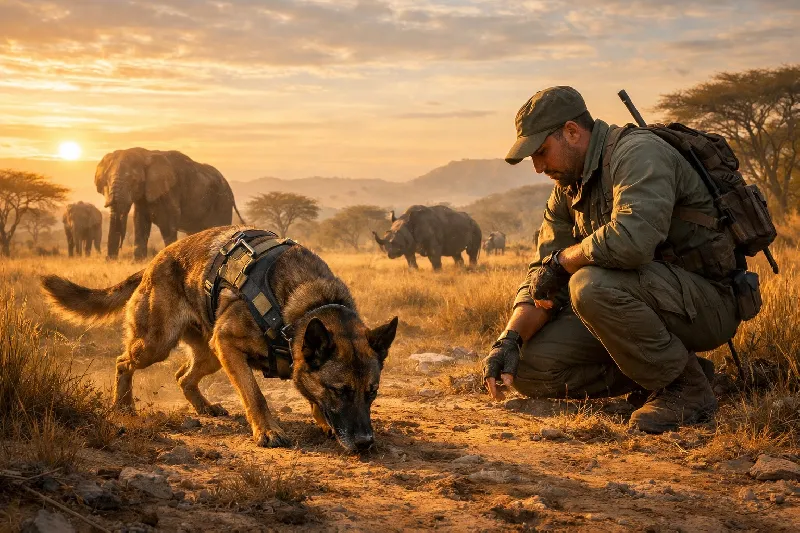
Conservation detection dogs are proving that a good nose can save more than a hunting season. These highly trained working dogs help biologists locate endangered wildlife, track invasive species, and gather critical field data in country where the human eye often comes up short.

Bed bug detection dogs may work on a smaller quarry than most hunting dogs, but the job calls for the same grit, nose, and discipline. Here’s how these specialized canines find hidden infestations and why they’ve become trusted partners in pest control.

A working dog’s nose is more than impressive—it is a biological marvel shaped by anatomy, airflow, and instinct. This article explores the science behind a dog’s nose and explains why scent is the foundation of tracking, hunting, and real-world working performance.

A good protection dog is far more than an aggressive animal. The best ones are steady, trainable, confident, and deeply bonded to their handler, with the judgment to stay calm until real danger appears.

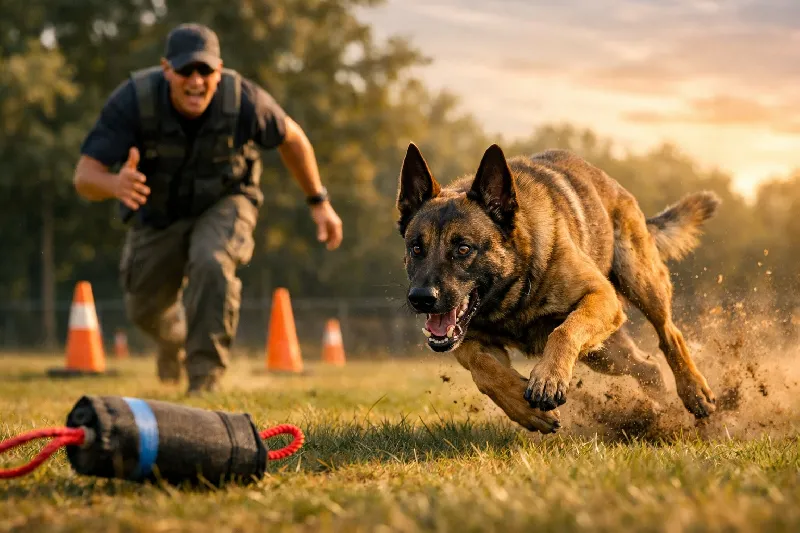
Bite work training is often misunderstood. Done correctly, it is not about creating an aggressive dog but about building control, confidence, and clarity in a working partner. This guide explains what bite work is, how it is developed, and what dog owners should understand before getting started.

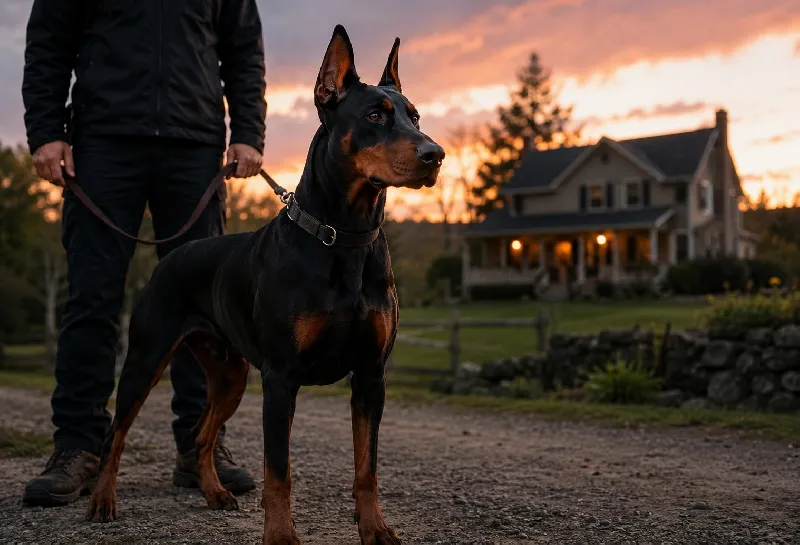
Dobermans have long held a reputation as sharp, loyal protection dogs, but the truth is more nuanced than the old myths. A well-bred, properly trained Doberman can be an exceptional guardian with the judgment to protect without becoming a liability. This article looks at what makes the breed effective, what owners must demand in training and temperament, and whether a Doberman is the right protection dog for your home.

Detection dogs do some of the most important work in the canine world, using their unmatched noses to locate explosives, narcotics, missing people, invasive species, medical changes, and more. This complete guide explains how scent-detection dogs are trained, what makes them so effective, and why they remain one of society's most trusted working partners.

Detection dogs do far more than sniff and sit. Their noses read the world in layers most people never notice, and with the right training they can locate everything from explosives to missing people. Here's how their sense of smell works and why it makes them one of the most valuable working partners in the field.

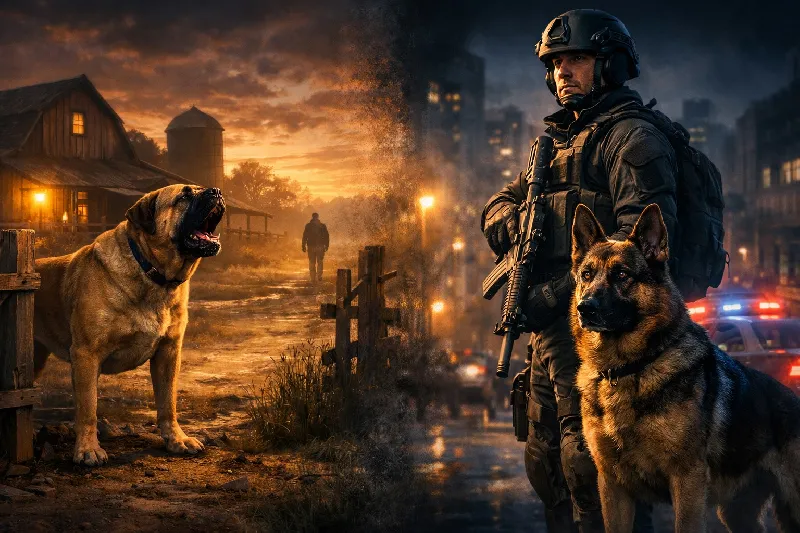
Livestock protection dogs and personal protection dogs may both look imposing, but they were bred for very different jobs. This guide explains how they think, work, train, and live so dog owners can choose the right working partner for their land, family, and goals.

Drug detection dogs are not born finished. They are carefully developed through drive, scent association, controlled searches, and steady proofing until they can work with speed, focus, and accuracy in the field.

Some dogs did more than serve their handlers. They shifted the course of wars, saved remote communities, opened new frontiers, and showed the world what a working dog can do under pressure. This look at dogs that changed history brings together the true stories of remarkable canines whose courage and grit still matter today.

Many dog owners use the terms protection dog and guard dog like they mean the same thing, but they do not. A true protection dog is trained to stay controlled, social, and responsive under pressure, while a guard dog is usually bred or conditioned to watch territory and react to threats around it. Understanding that difference matters if you want the right working dog for your home, family, or property.

The first weeks and months of a working dog’s life matter more than most folks realize. Early puppy development lays the groundwork for confidence, resilience, prey drive, focus, and the kind of steadiness that separates a useful dog from one that struggles when pressure shows up. This guide explains what experienced handlers look for and how to shape a young pup into a capable working partner.

Focus and obedience are the backbone of any dependable working dog. This guide explains how to build both through clear expectations, steady repetition, and training that holds up in real-world conditions.

Airport detection dogs live a disciplined, high-focus life shaped by training, scent work, and a deep bond with their handlers. This look at a typical day follows the pace, pressure, and purpose behind one of the most important jobs a working dog can do.

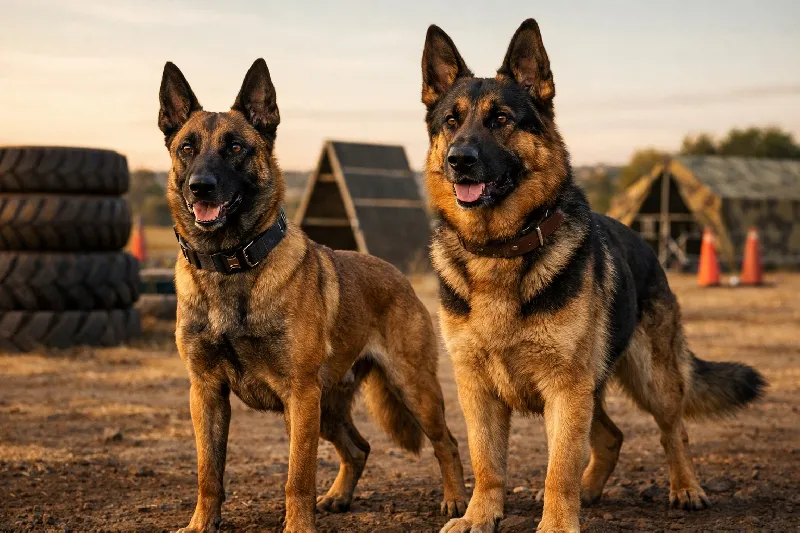
The Belgian Malinois and German Shepherd are two of the most respected working dogs in the world, but they are not interchangeable. This guide breaks down their temperament, trainability, drive, protection instincts, and daily needs so dog owners can choose the right partner with clear eyes.

Tracking dogs have always had a place in the field, but their future reaches far beyond traditional blood trailing. From wildlife conservation and recovery work to agriculture, public safety, and tech-assisted scent detection, these dogs are becoming more valuable with every passing season.

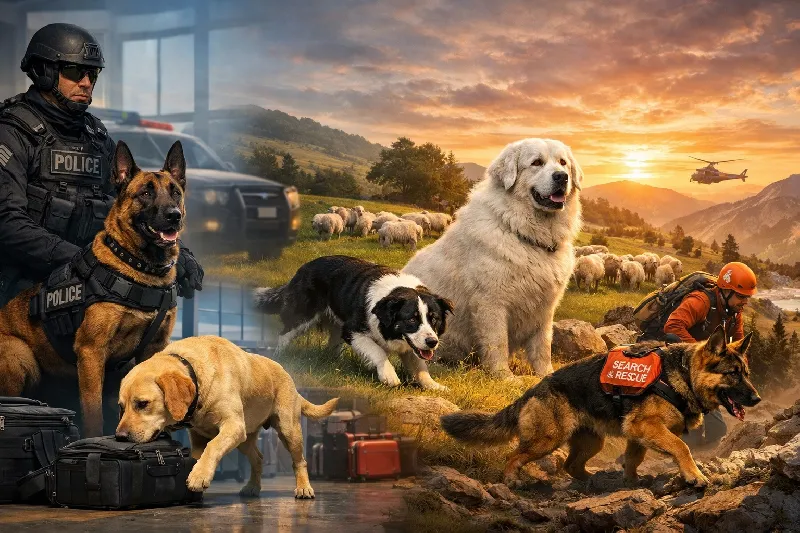
Working dogs have been partners to mankind for thousands of years. From guarding livestock on remote hillsides to locating missing people or detecting explosives, these dogs perform vital jobs that few animals—or even humans—could replicate. Understanding the core roles of working dogs helps reveal just how diverse and specialized these canine professions truly are.

Few dogs in the world command the respect earned by the Belgian Malinois. Lean, intelligent, and relentlessly driven, this remarkable breed has become the backbone of modern military and special operations K9 units. From battlefield patrols to elite counterterrorism missions, the Malinois has proven itself one of the most capable working dogs ever developed.

From airports and border checkpoints to disaster zones and police investigations, Labrador Retrievers have become the gold standard of detection dogs. Their incredible sense of smell, tireless work ethic, and steady temperament make them uniquely suited for the demanding world of scent detection. While many breeds possess strong noses, few combine intelligence, focus, and reliability the way the Labrador does.
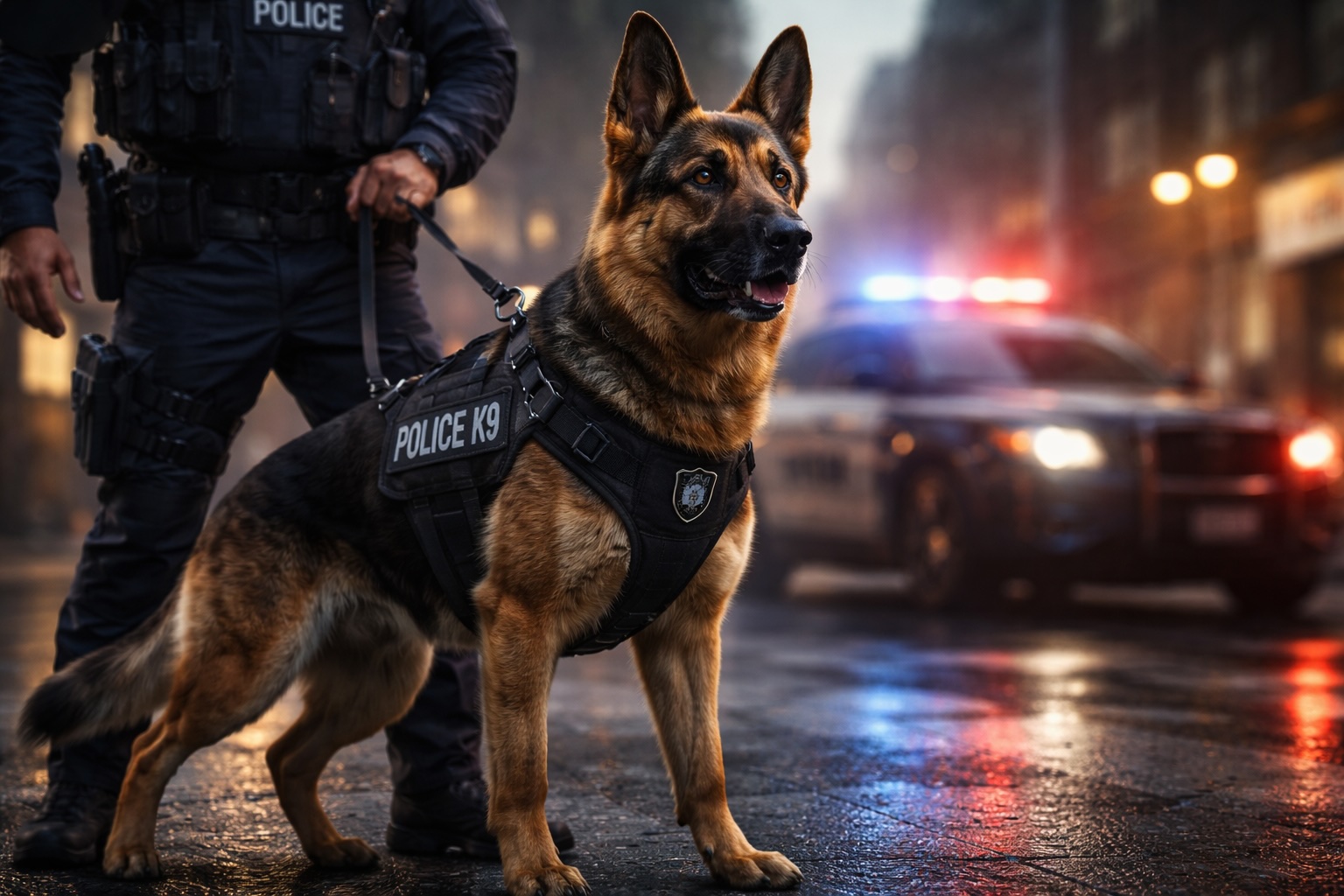
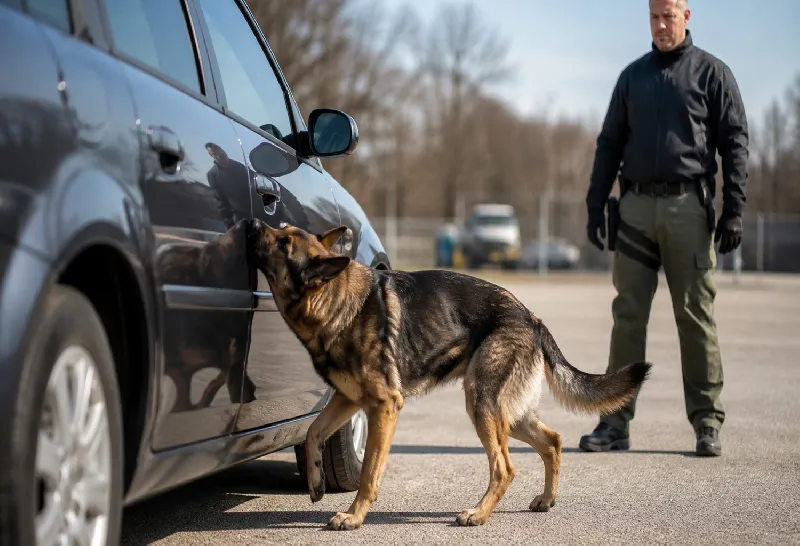
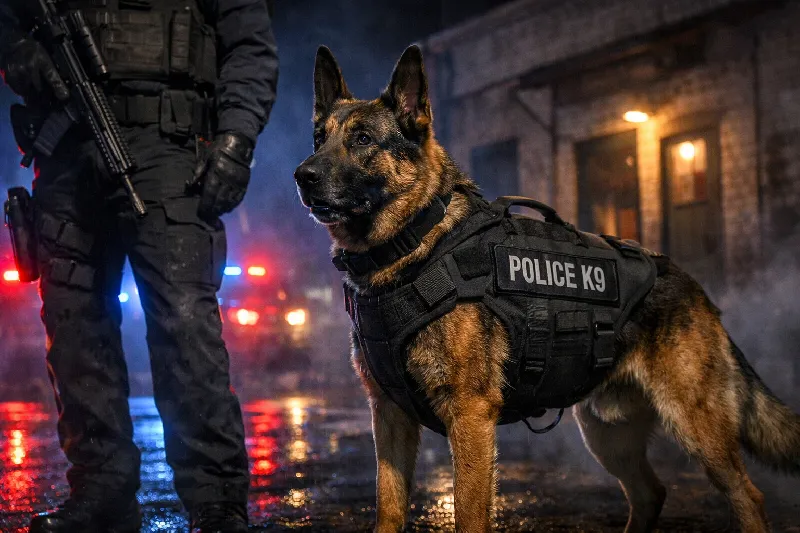
For more than a century, the German Shepherd has stood beside police officers across the world. From tracking fugitives through dark alleys to detecting hidden contraband, these dogs helped define what a modern police K9 could be. Their intelligence, loyalty, and relentless work ethic made them the standard by which all other working dogs are measured.
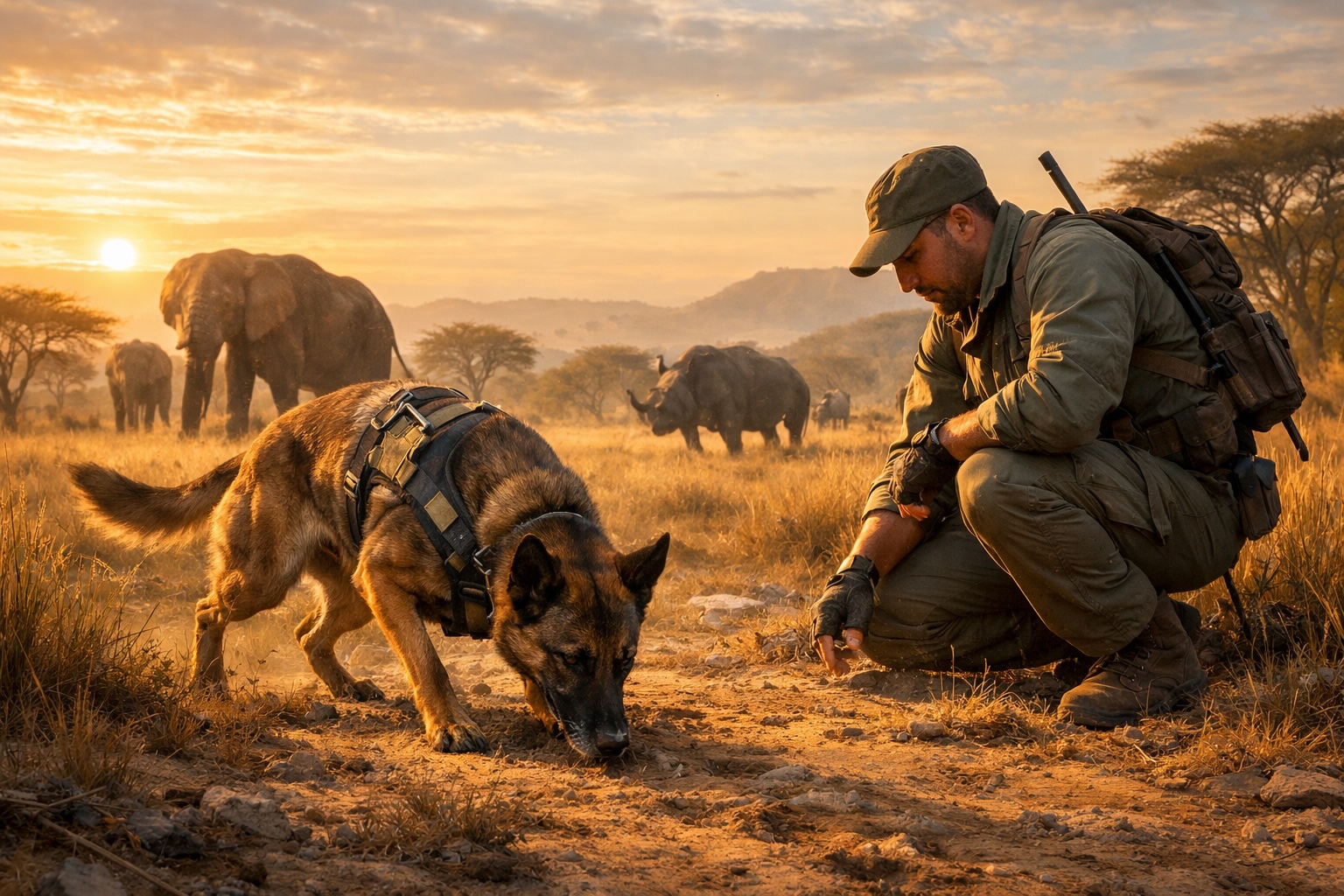
In some of the wildest places on earth, a dog’s nose is helping conservationists do what technology often cannot—find poachers, track rare animals, and protect endangered wildlife. These remarkable working dogs are becoming one of the most effective tools in modern conservation.

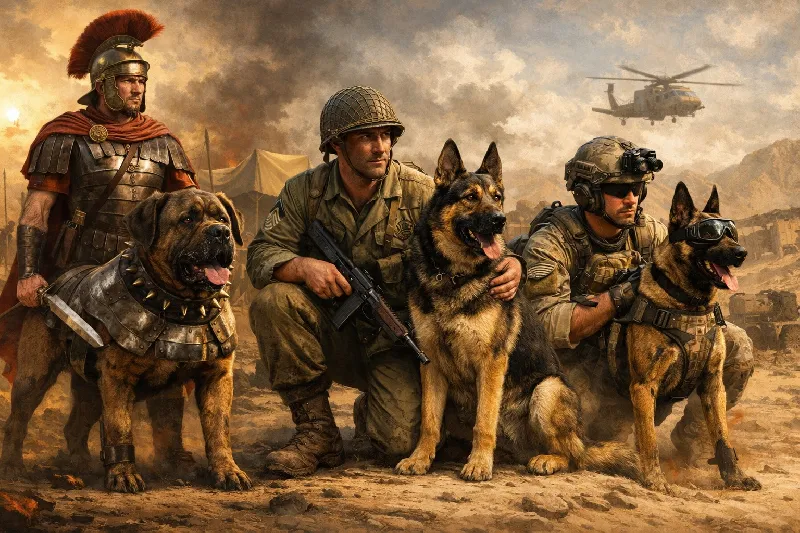
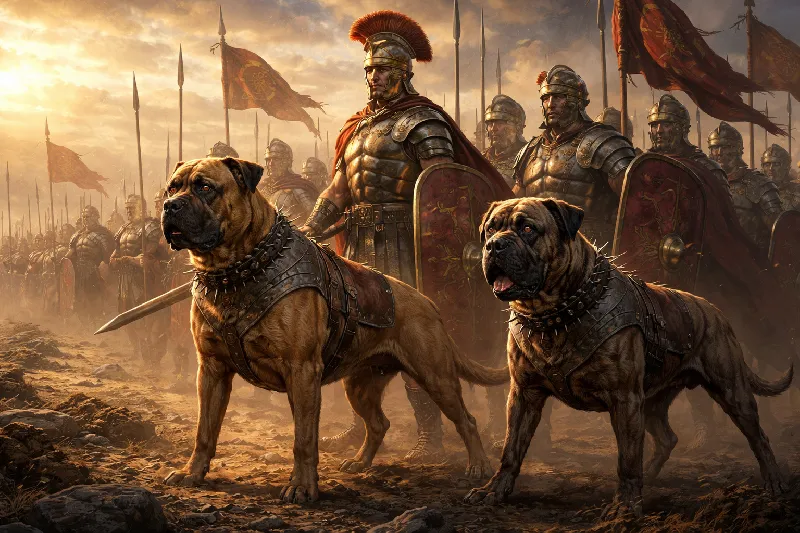
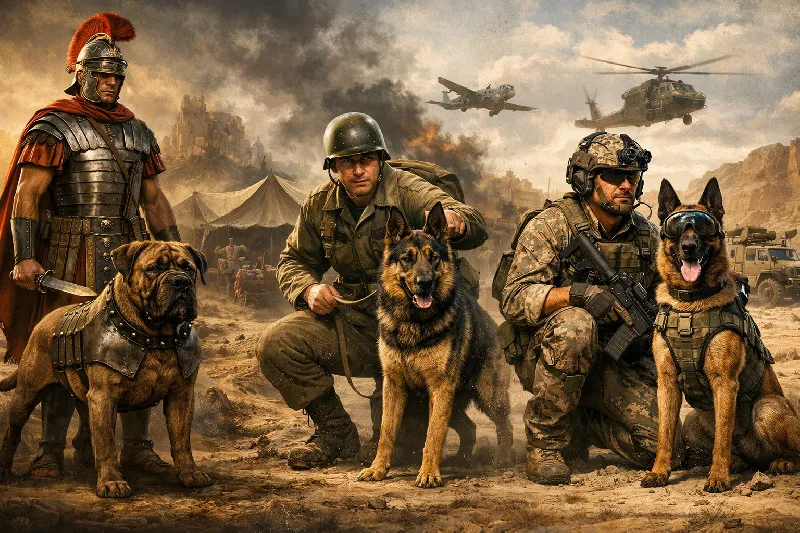
For as long as humans have fought wars, dogs have stood beside them. Long before modern technology shaped the battlefield, canine companions served as scouts, sentries, messengers, and protectors. From the armored mastiffs of ancient armies to the disciplined military working dogs of modern conflicts, these animals earned their place in military history through courage, loyalty, and instinct. The stories of famous war dogs reveal just how powerful the bond between human and dog can be—even in the harshest environments imaginable.

Every great working dog—from a bird dog in the pine woods to a detection dog searching luggage—shares one critical trait: drive. It’s the internal engine that keeps a dog hunting, searching, tracking, and working long after lesser dogs lose interest. While some of that fire is bred into a dog, experienced handlers know that drive can also be nurtured, shaped, and strengthened through thoughtful training.

Detection dogs possess one of the most powerful scenting abilities in the animal kingdom. But their success isn’t just about having a good nose—it comes from careful training, instinct, and a strong partnership with their handler. From airports to border patrol checkpoints, these dogs learn to identify tiny traces of odor that humans would never notice. Understanding how detection dogs learn to find scent reveals just how remarkable these working dogs truly are.
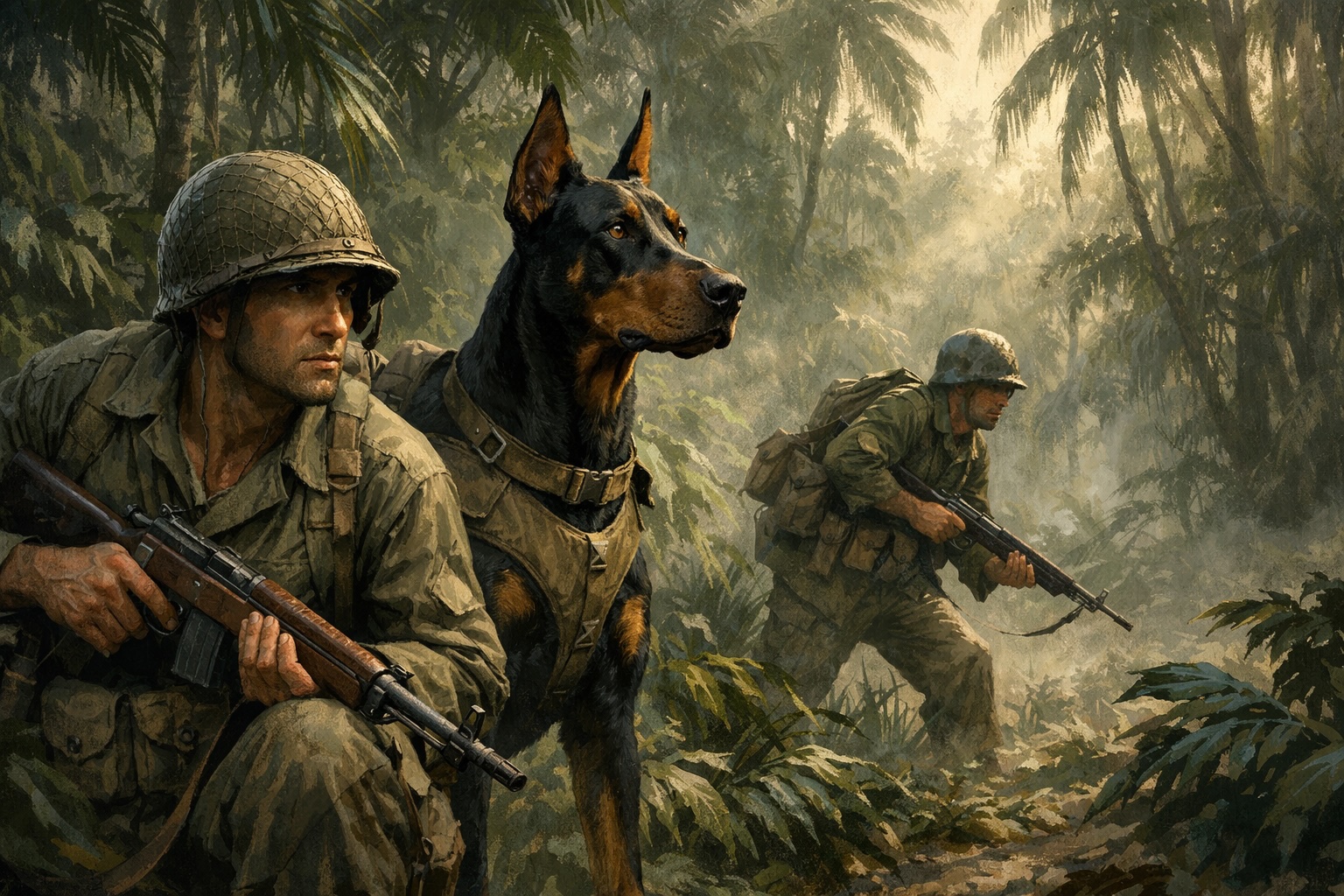
During World War II, thousands of dogs served alongside soldiers on battlefields across the globe. From sentry duty to search missions, these remarkable animals proved that loyalty, courage, and instinct could save countless human lives.

Many people use the terms guard dog and protection dog interchangeably, but in the world of working dogs they are very different roles. One relies primarily on presence and territorial instinct, while the other is trained to actively defend its handler when necessary. Understanding the distinction reveals just how specialized these remarkable working dogs truly are.

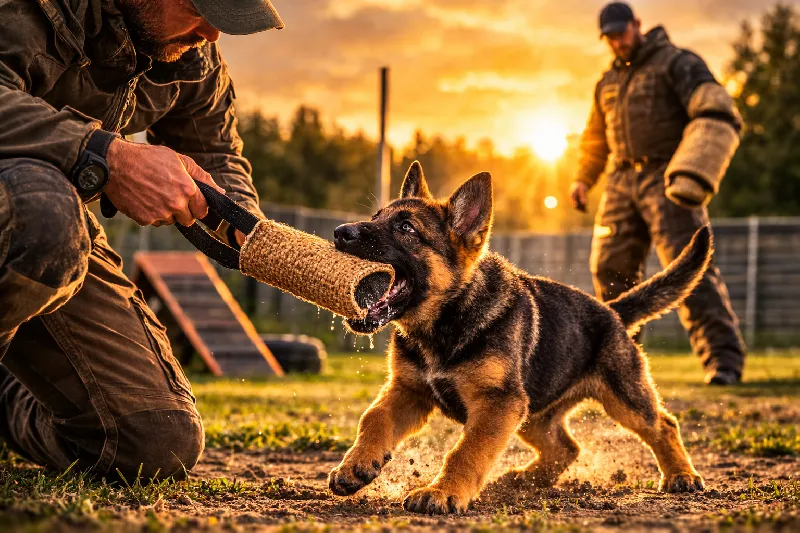
Starting a puppy for protection work isn’t about creating aggression—it’s about building confidence, control, and a clear working relationship between dog and handler. Experienced trainers know the foundation begins long before a dog ever learns to bite a sleeve. It starts in the early months of life, when a puppy’s curiosity, nerve, and drive begin to take shape.

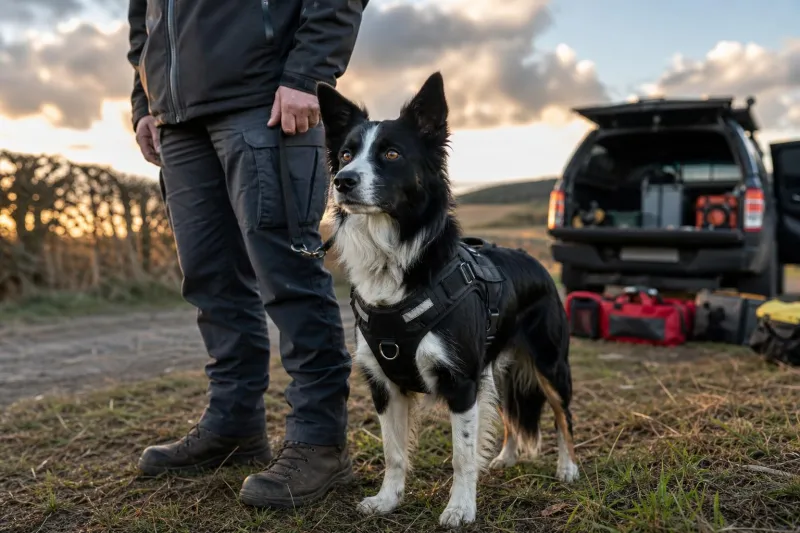
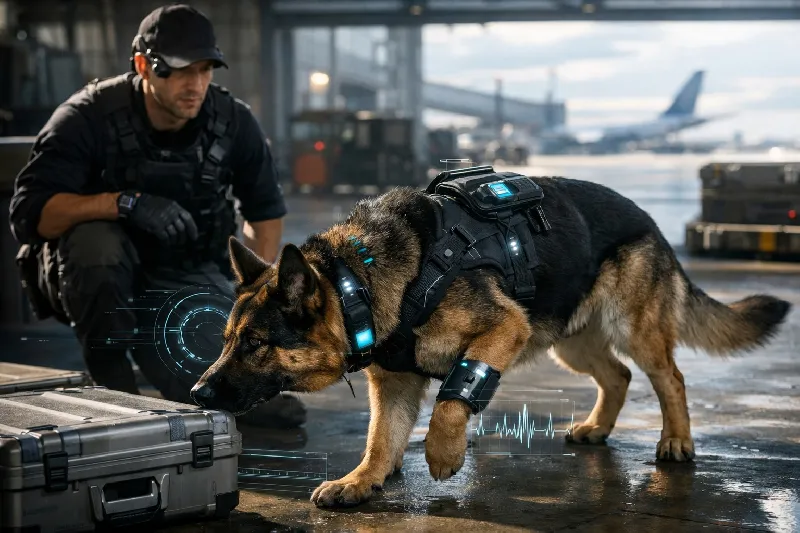
Police and military working dogs face dangers most people never see. From tracking armed suspects to searching combat zones, these dogs operate in environments where protection matters. Tactical vests have become critical gear, offering ballistic protection, visibility, and handler control while allowing K9s to perform at the highest level.

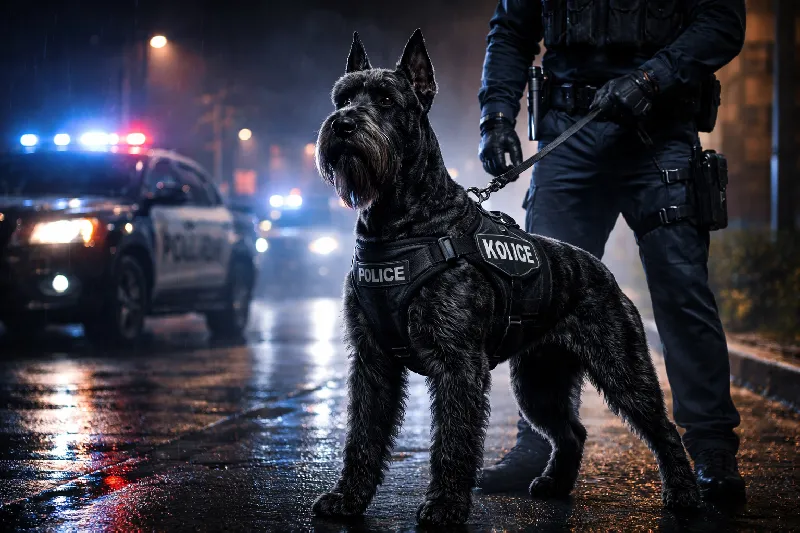
With their imposing size, sharp intelligence, and unmistakable bearded face, the Giant Schnauzer has quietly built a reputation as one of the most capable working dogs in police and military service. Originally bred to guard farms and drive livestock in southern Germany, this rugged breed carries centuries of practical working heritage into modern law enforcement. Today, Giant Schnauzers patrol streets, guard installations, and stand shoulder to shoulder with officers around the world.

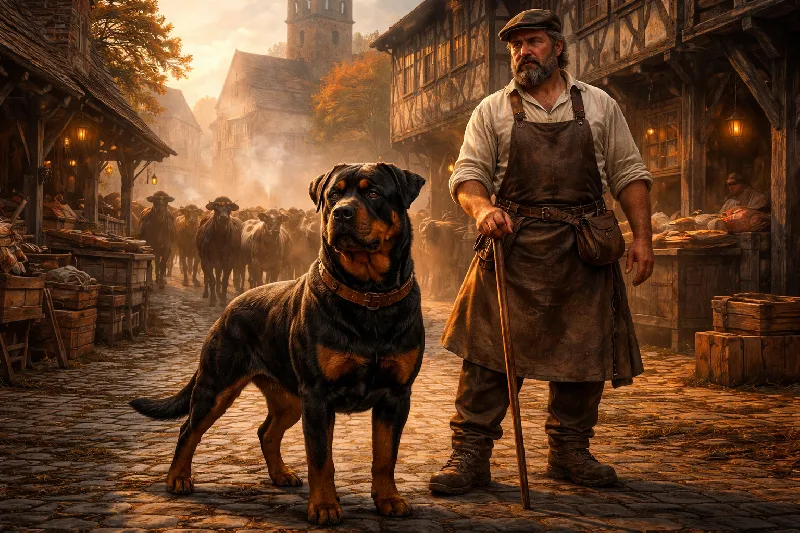
Few breeds carry the legacy of hard work quite like the Rottweiler. Long before modern police K9 units and protection sports existed, these powerful dogs were driving cattle across Europe, guarding money pouches for butchers, and standing watch over livestock and property. The Rottweiler’s history is deeply tied to labor, loyalty, and courage—traits that still define the breed today.

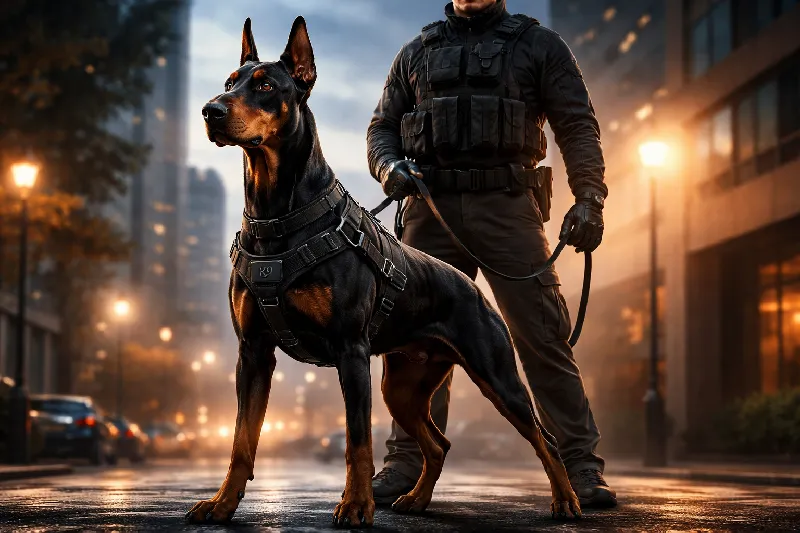
Few dog breeds command the same respect as the Doberman Pinscher. Built with speed, intelligence, and unwavering loyalty, the Doberman has long been regarded as one of the finest protection dogs ever developed. From its origins as a personal guard dog in Germany to its modern role in family protection, law enforcement, and military service, the Doberman remains a breed defined by courage and devotion

Long before modern military K9 units and specialized detection dogs, warriors across the ancient world relied on a different kind of soldier—dogs. From the battlefields of Rome to the armies of Persia and Greece, powerful war dogs guarded camps, carried messages, and even charged into combat. Their courage, loyalty, and instinct made them valuable allies in war thousands of years before the first modern police or military dog units were formed.

For thousands of years, soldiers have trusted one partner above nearly all others—the dog. Long before radios, drones, or night-vision equipment existed, a dog’s nose, ears, and loyalty helped warriors survive the chaos of battle. The history of military working dogs stretches back to the earliest armies of mankind, and their role has only grown more important with time.
Page 1 of 1 52 Total Records |