The Feed
You can read public posts. Sign in to post, react, or comment.

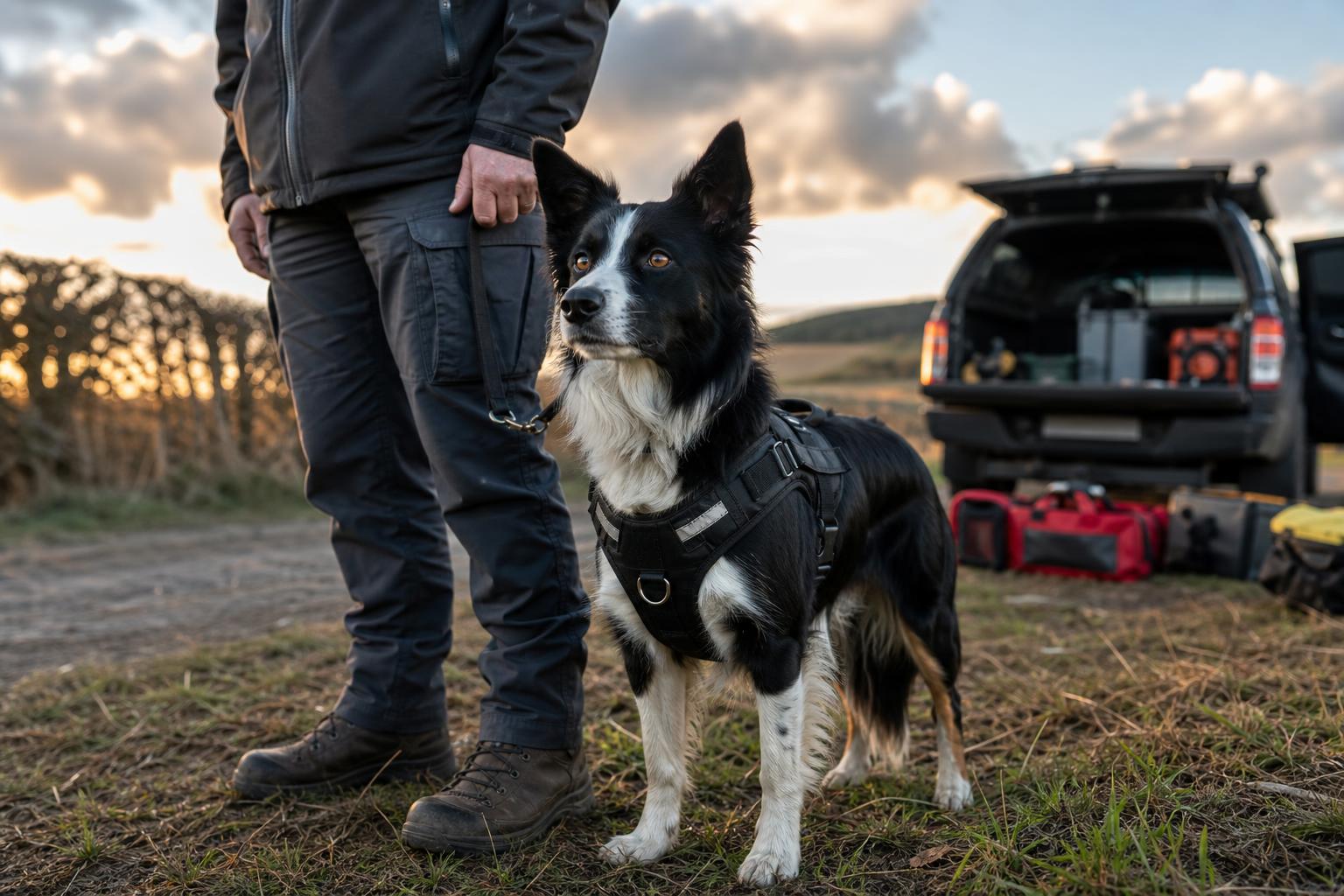

Working dogs are not relics of the past. They are adapting to a changing world, taking on new roles while holding fast to the instincts and grit that made them valuable in the first place. From the field and farm to hospitals, schools, and emergency response teams, the future of working dogs in society looks both practical and deeply human.

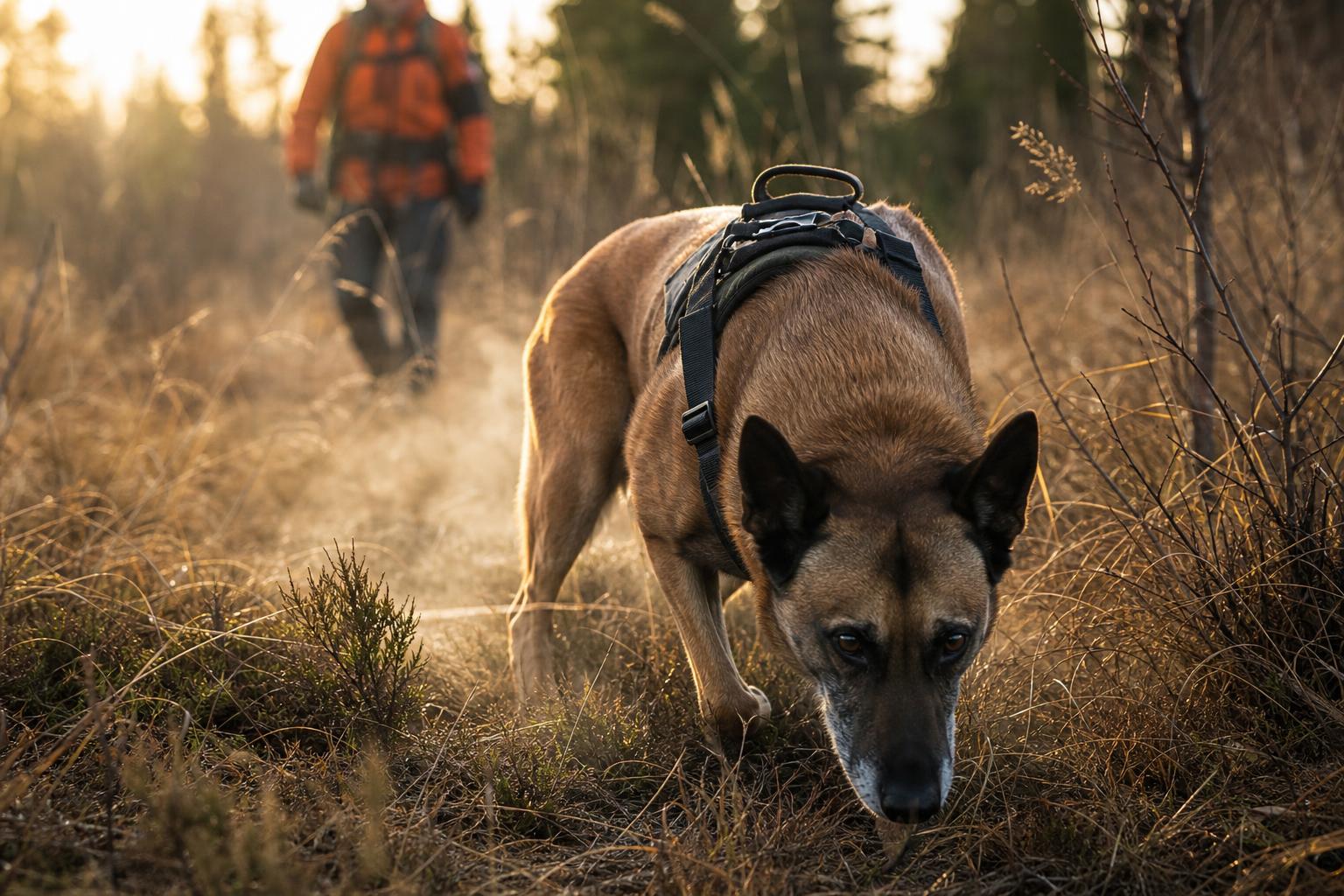
Scent theory in search dogs is more than a training phrase. It is the practical understanding of how odor moves, settles, lifts, and changes across ground, cover, weather, and time. For dog owners interested in working dogs, this article explains how search dogs use their nose in the field and why handlers who understand scent make better decisions.
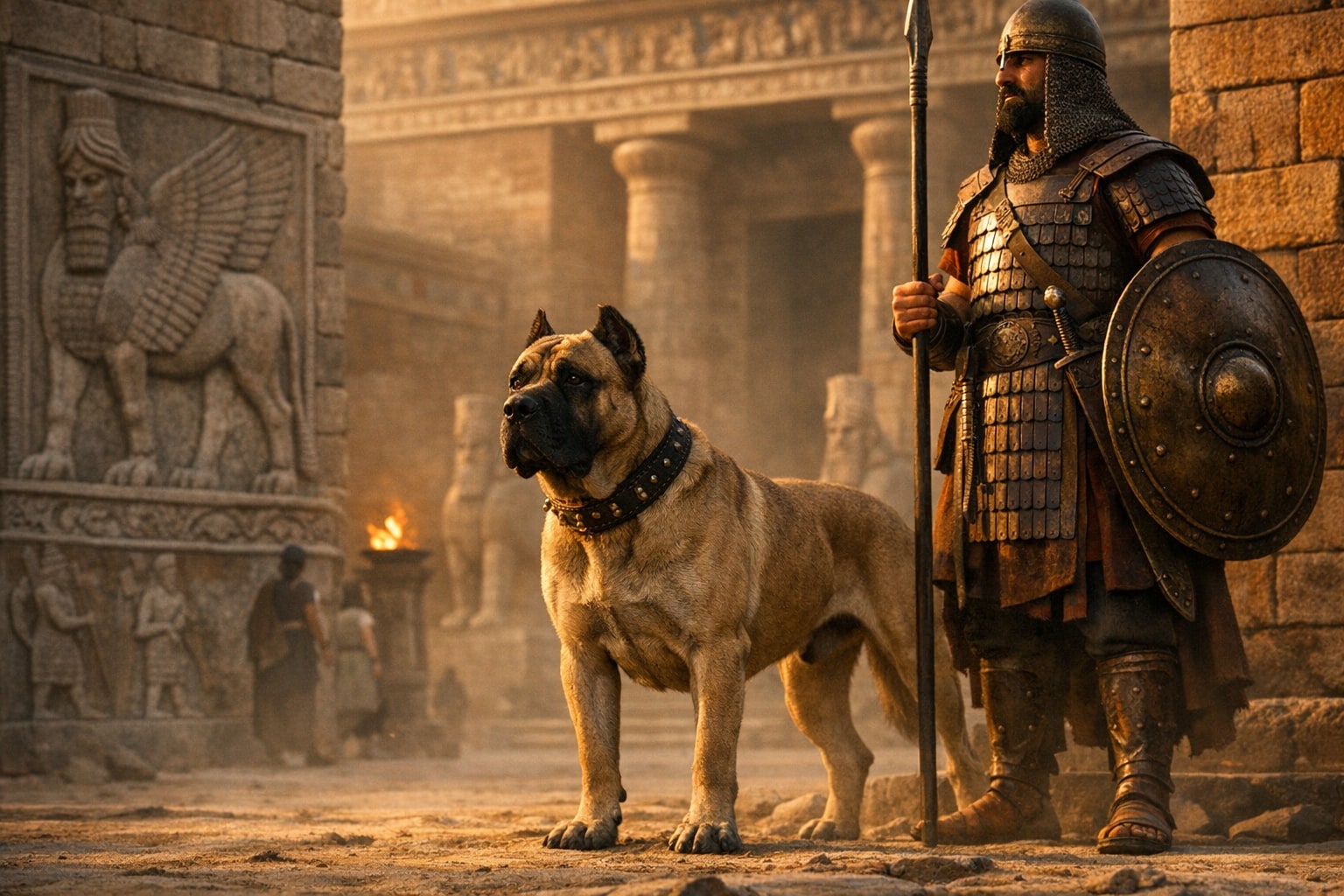
Long before modern kennels, bite sleeves, and formal protection training, guard dogs stood watch over camps, granaries, temples, and flocks. In ancient civilizations, these dogs were valued as protectors, status symbols, and trusted partners in harsh country. Their legacy still lives on in today's working dogs.
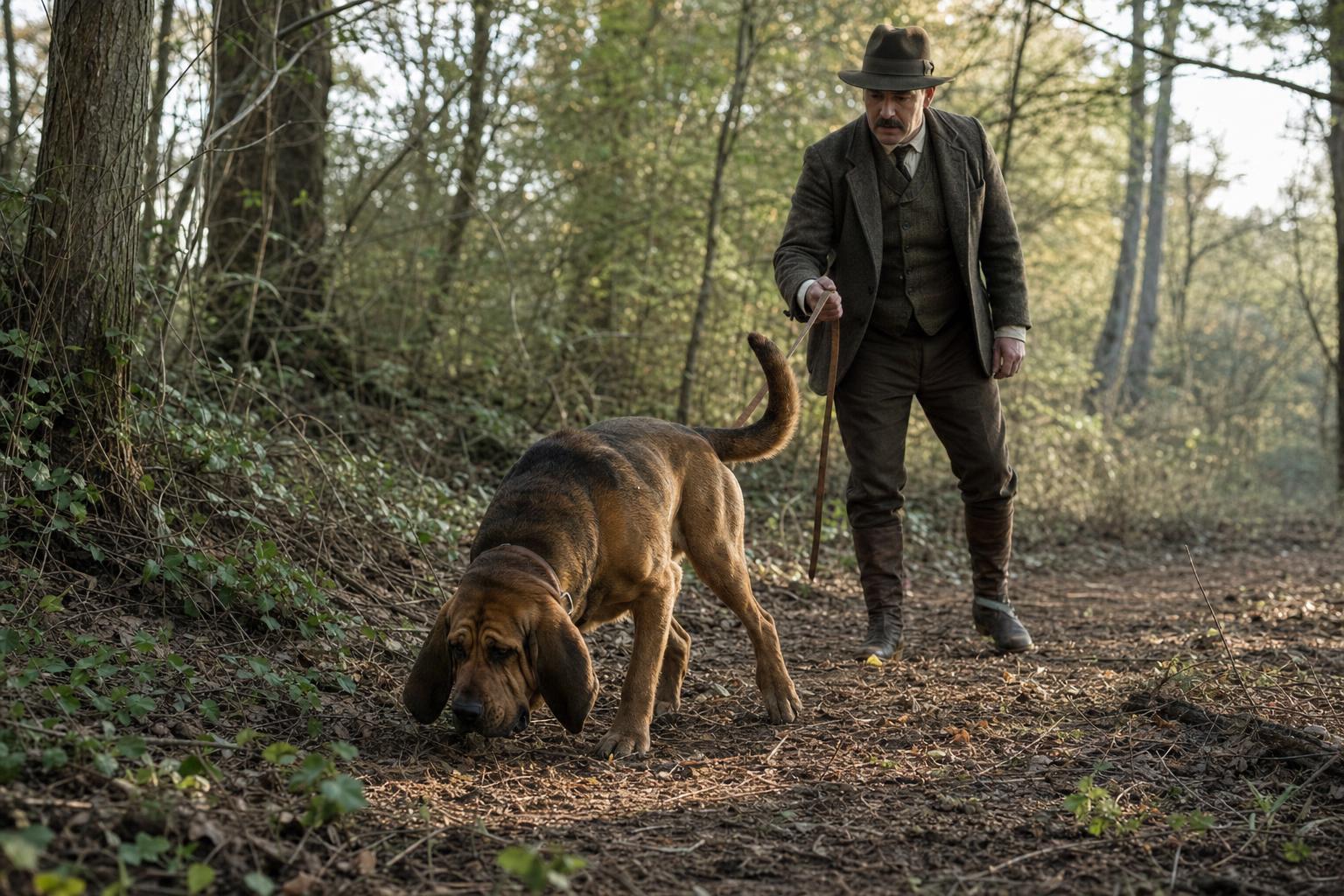
Long before modern K9 units became standard, law enforcement relied on the unmatched nose, grit, and steadiness of early tracking dogs to follow fugitives across fields, roads, and timber. This article looks at the breeds, methods, and real-world conditions that helped shape the first police tracking work.
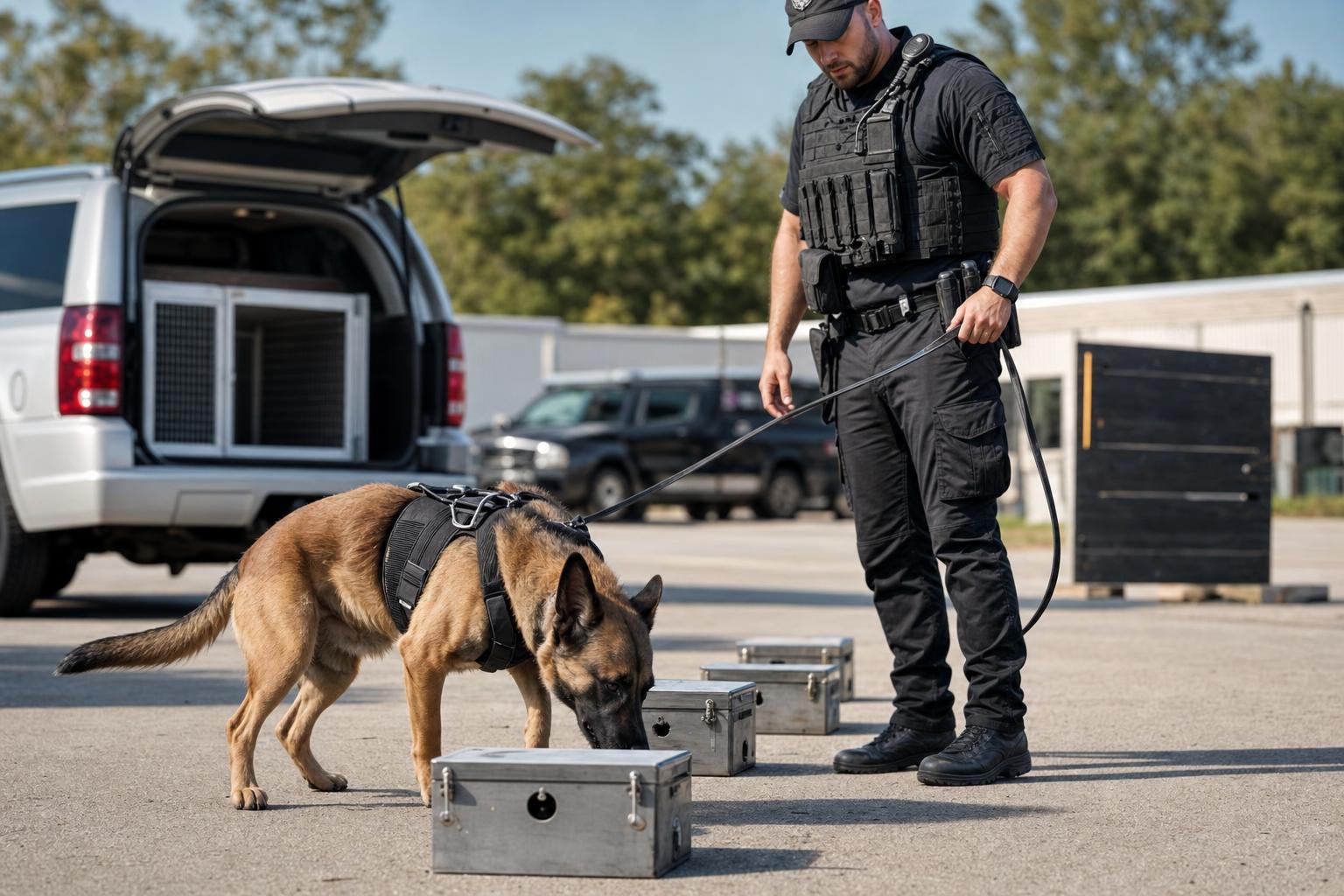
Police detection dogs are built through careful training, steady handling, and a strong bond with the handler. This article explains the methods used to create reliable detection dogs, including drive development, odor imprinting, indication training, search patterns, proofing, and maintenance work.
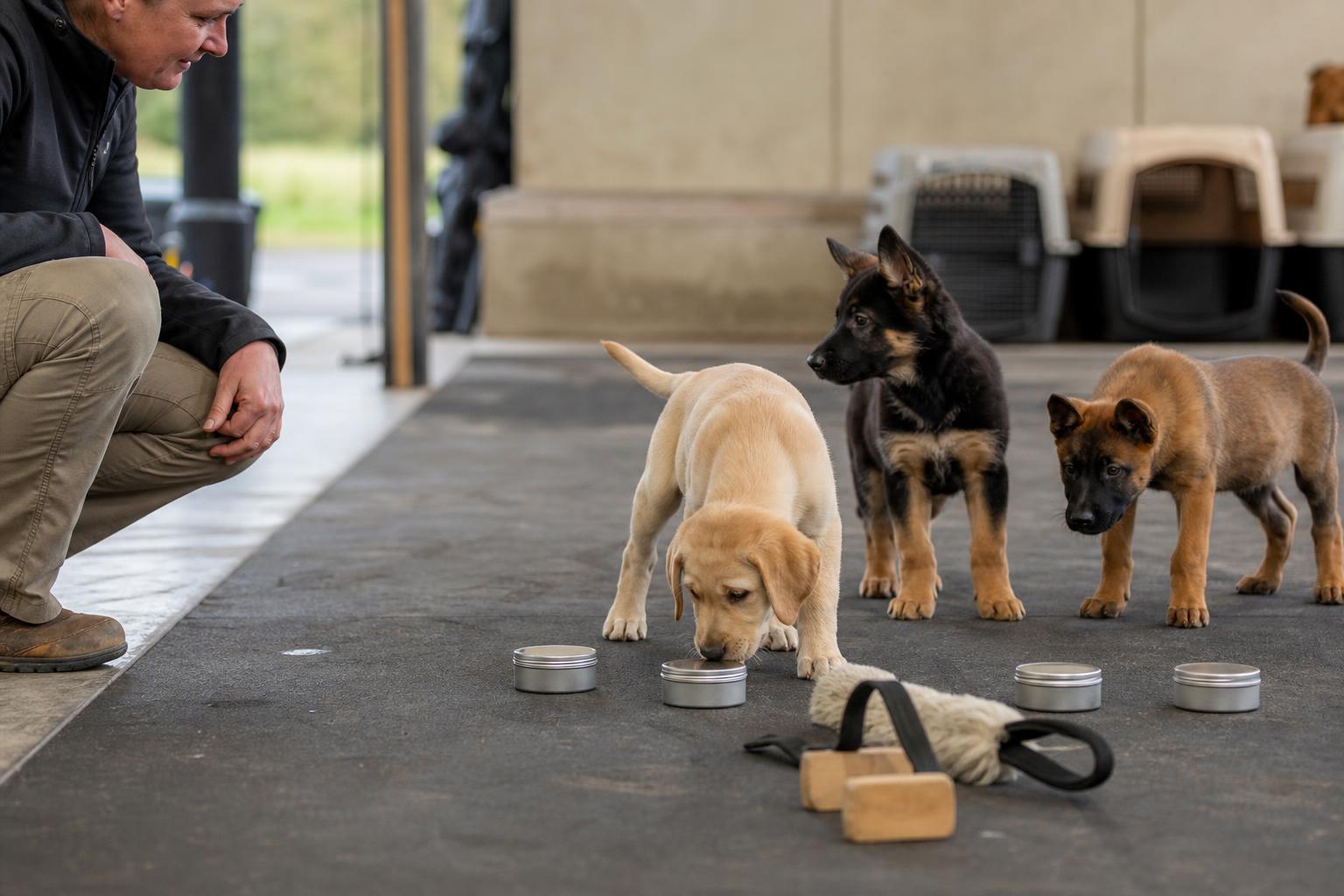
Choosing puppies for detection work is part science, part seasoned dog sense. This article explains how trainers and program directors evaluate genetics, health, nerve, drive, recovery, and environmental confidence to find young dogs with the best chance of succeeding in detection roles.
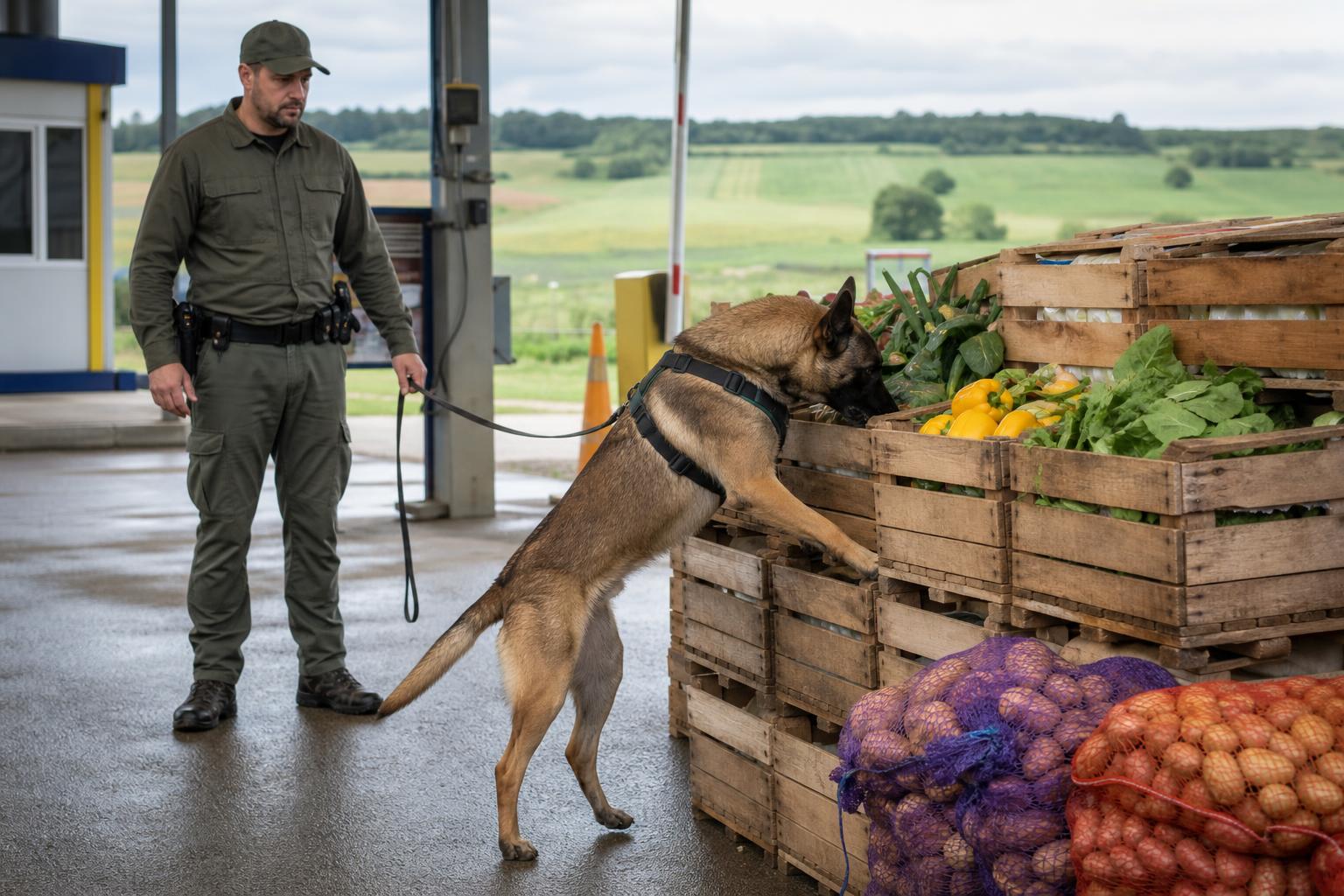
Agricultural detection dogs play a quiet but vital role at borders, airports, and ports of entry. With the right nose and disciplined training, these working dogs help stop invasive pests, contaminated food, and prohibited plant material before it can damage farms, wildlife, and local economies.
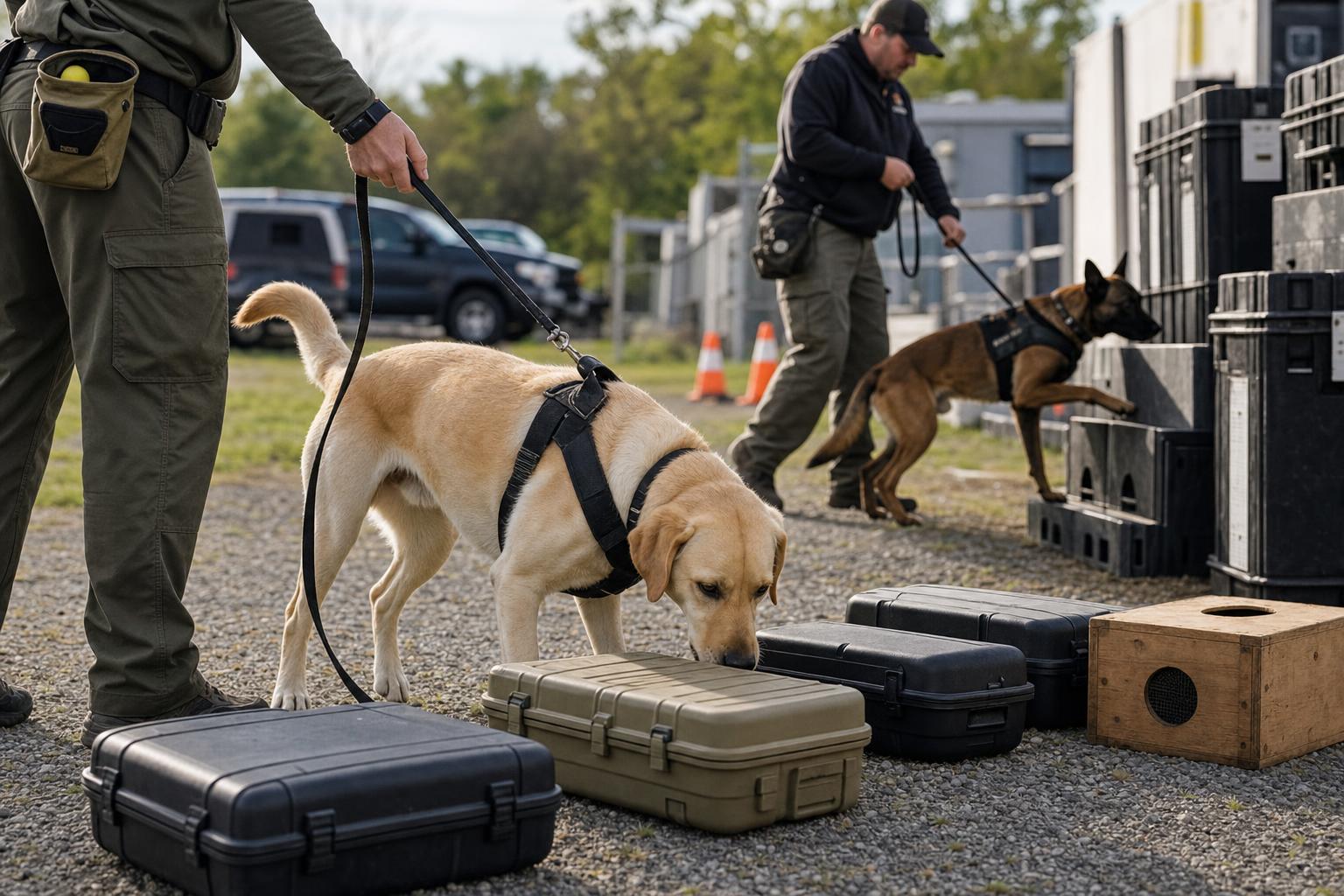
Detection dogs are built on more than a good nose. The best breeds bring hunt drive, focus, nerve, stamina, and a willingness to work with a handler through long days and difficult environments. Here is a field-tested look at the dog breeds that consistently stand out in detection work and why they earn their place.

Working as a detection dog trainer is part dog work, part people work, and all about consistency. This article explores the realities of the job, the dogs that thrive in it, the training process, and the skills needed to build dependable detection teams.

Electronic storage detection dogs have become one of the most specialized assets in modern law enforcement. Trained to locate hidden digital devices by scent, these dogs help investigators recover phones, USB drives, hard drives, and memory cards that human eyes often miss.
Page 1 of 6 55 Total Records | ||||||